What to Do Immediately After a Car Accident in New Jersey
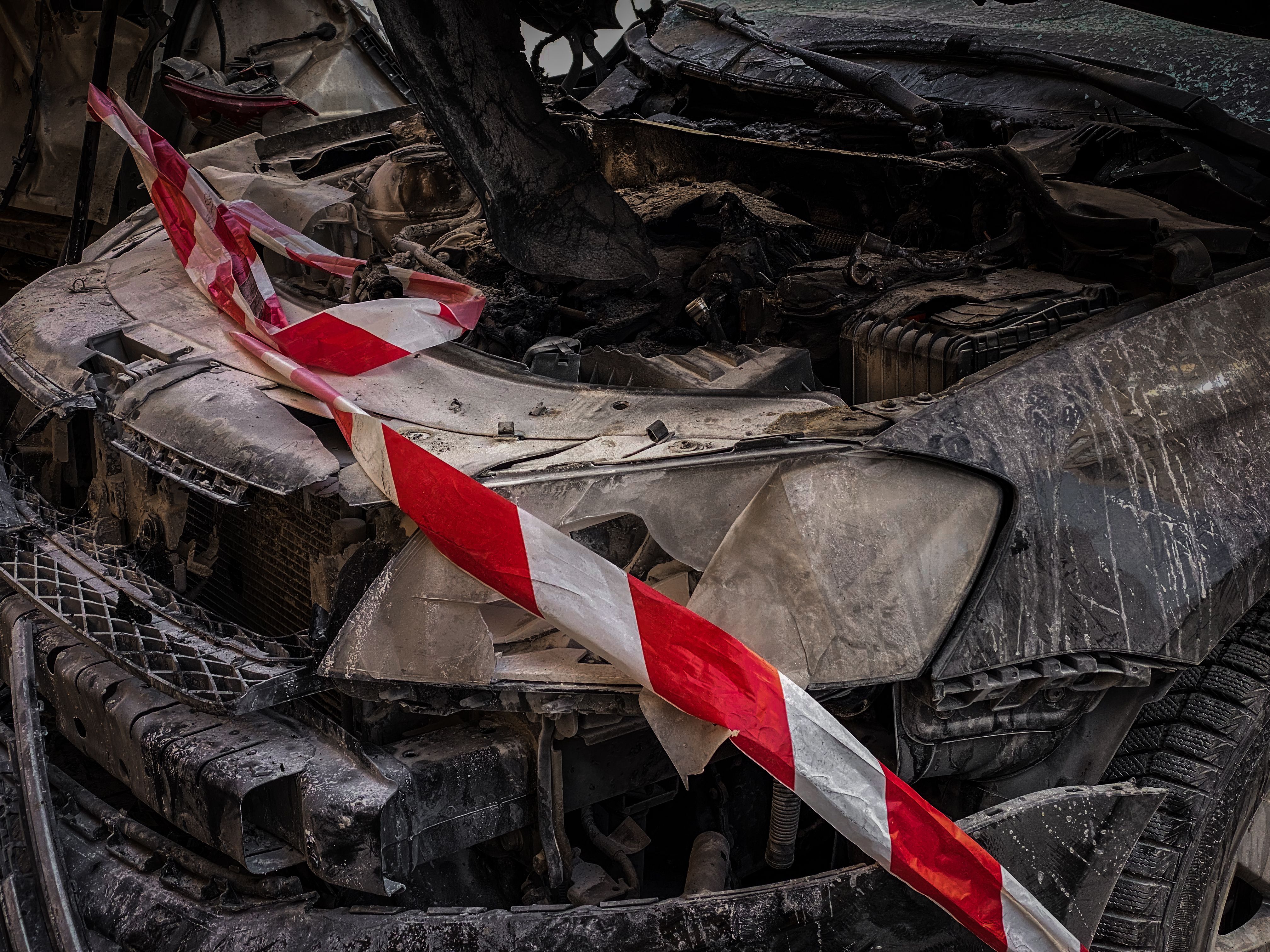
A car accident is over in seconds, but what you do next can make or break your claim. This guide covers the moves that matter most in New Jersey: calling 911, getting checked out by a doctor even when you feel fine, photographing the scene, and keeping your mouth shut about fault. James Vasquez also breaks down how the state's no-fault rules work, what happens when the other driver has no insurance, and why you should never sign a first settlement offer or talk to their adjuster before a lawyer looks at your case.
A car accident happens in seconds, but the choices you make in the minutes, hours and days that follow can decide whether you recover full compensation or walk away with far less than you deserve. This is what to do after a car accident in New Jersey, whether it happened on Route 46 in Clifton, Route 3 near Paterson or any road in North Jersey.
I have handled hundreds of car accident cases across Passaic, Morris and Essex Counties. I have watched clients lose real money because of avoidable mistakes in the first hours after a crash, and I have watched others protect their full recovery because they knew exactly what to do. This guide gives you that same knowledge.
What Are the Steps to Take Immediately After a Car Accident in New Jersey?
Check for injuries and get to safety, call 911, get medical attention even if you feel fine, document the scene, exchange information without admitting fault, gather witnesses, report the crash to your own insurer, and call a car accident attorney. And do not give a statement to the other driver's insurance company.
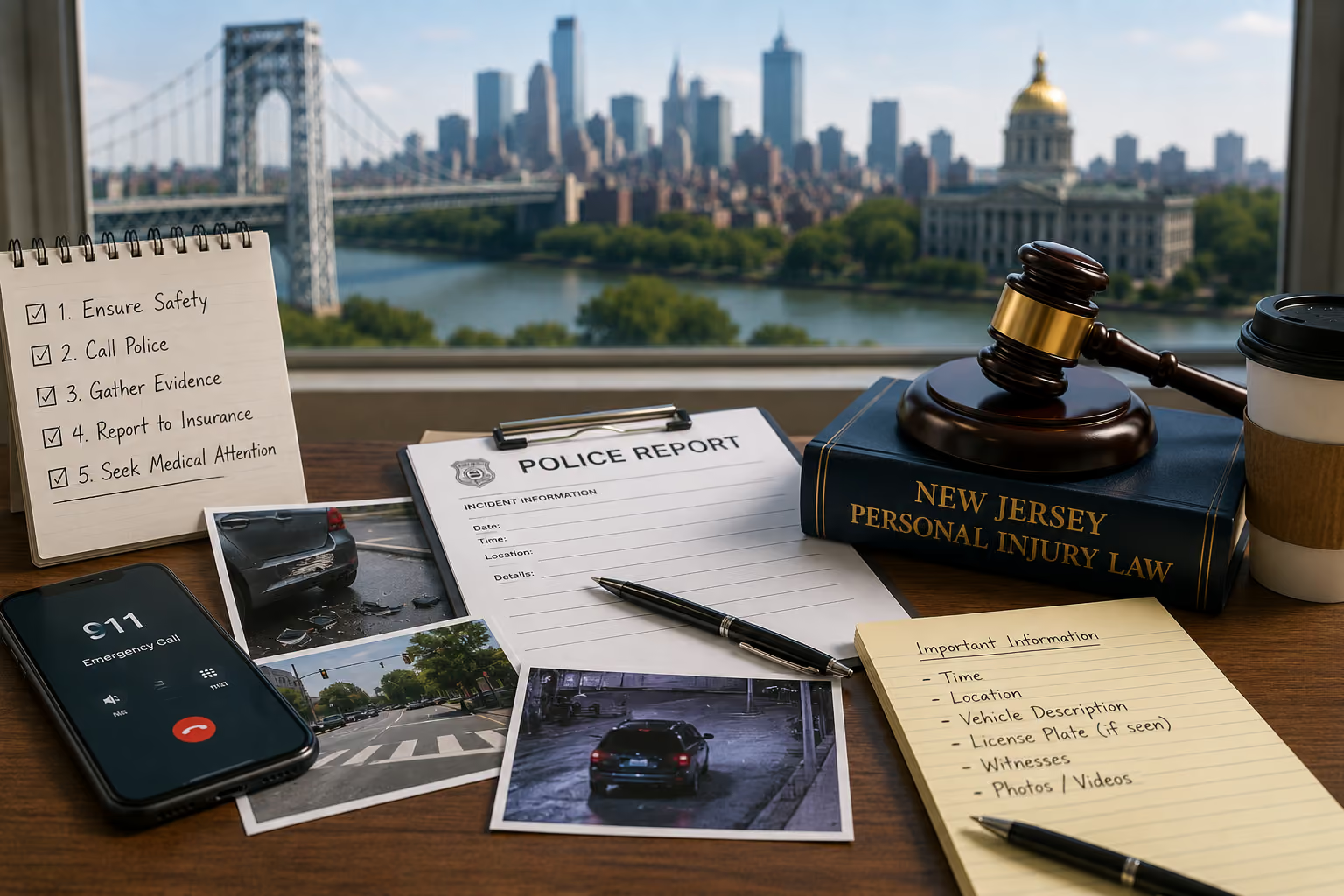
Here is the full sequence, in the order I want my clients to follow it:
- Check for injuries and move to safety. Assess everyone. Do not move an injured person unless there is immediate danger like fire. If the cars are driveable and it is safe, pull to the shoulder and put your hazards on. Your safety comes first.
- Call 911 immediately. Call even if it seems minor. Under New Jersey law (N.J.S.A. 39:4-130) you must report any accident involving injury, death or property damage over $500. If police cannot respond, file a Self-Reporting Crash form (SR-1) with the State within 10 days. Do not leave before officers arrive.
- Seek medical attention right away. Get checked even if you feel fine. Whiplash, brain injuries, internal bleeding and spinal damage often do not show symptoms immediately, because adrenaline masks pain. A same-day medical record is one of the most important pieces of evidence you can have.
- Document the scene thoroughly. Photograph everything you safely can: all vehicles from several angles, the point of impact, skid marks, road conditions, signals, signs, weather and any visible injuries. Wide shots for context, close-ups for damage.
- Exchange information. Get the other driver's name, address, phone, license number, plate, insurer and policy number, plus the vehicle's make, model, color and year. Stay calm and professional, but do not discuss fault or apologize. Anything you say can be used against you.
- Gather witness information. Independent witnesses can decide a disputed case. Ask anyone who saw it for a name and number. On a busy road like Route 46 or Route 3, witnesses often leave before police arrive, so get their contact in the first few minutes.
- Report the accident to your own insurer. New Jersey is a no-fault state, so your Personal Injury Protection coverage pays your initial medical bills regardless of fault. Reporting activates it. Give the facts, but do not give a recorded statement or speculate about fault before talking to an attorney.
- Do not talk to the other driver's insurance company. This is the step most people get wrong. They will call within days, sounding helpful, while building a record to minimize your claim. You are not required to give them a recorded statement. Tell them you are represented and all contact goes through your attorney.
- Keep an injury and recovery journal. Starting the next day, write down your pain levels, what you cannot do, appointments, and how the injury affects your work and daily life. Insurers dispute what they cannot measure, and a consistent record makes your experience concrete.
- Contact a New Jersey car accident attorney. The sooner the better. A lawyer preserves evidence, sends spoliation holds, handles the insurers, values your full claim and advises whether to pursue a claim outside the no-fault system. The consultation is free, so do not wait for a settlement offer to get advice.
How Does New Jersey No-Fault Insurance Affect My Claim?
Under New Jersey's no-fault system, your own Personal Injury Protection coverage pays your medical bills and lost wages up to your limits, regardless of who caused the crash. The policy option you chose then controls your right to sue.
When you bought your policy, you picked one of two options. The standard policy gives you the right to sue for pain and suffering if your injuries meet the verbal threshold. The basic policy restricts that right to cases involving a permanent injury. A lot of New Jersey drivers choose basic to lower their premiums without realizing how much it limits their recovery after a serious crash.
What Is the Verbal Threshold in New Jersey?
The verbal threshold means that to recover pain and suffering, your injury must fall into a specific category. If it does not, you can still recover economic damages like medical bills and lost wages, just not pain and suffering.
The qualifying categories are death, dismemberment, significant disfigurement or scarring, a displaced fracture, loss of a fetus, a permanent injury within a reasonable degree of medical probability, or a significant limitation in the use of a body organ, member, function or system. Which option you carry is one of the first things I check, and the policy options are explained in the New Jersey Department of Banking and Insurance Consumer's Guide to Auto Insurance.
What Are the Most Common Injuries From Car Accidents in North Jersey?
Route 46 and Route 3 in Clifton are among the most accident-prone corridors in Passaic County. The high-speed rear-end and intersection crashes there produce a familiar set of injuries.
- Whiplash and cervical spine injuries from rear-end collisions
- Herniated and bulging discs in the neck and lower back
- Traumatic brain injuries from impact with the wheel, windows or airbags
- Fractures of the wrist, arm, clavicle and ribs
- Knee injuries including meniscus tears and ACL damage
- Shoulder injuries including rotator cuff tears
- Internal injuries from seat belt forces or steering column impact
- Facial lacerations and dental injuries
- Psychological injuries including PTSD and anxiety after the crash
Many of these do not show up on the first emergency room evaluation. A herniated disc may stay quiet for several days. That is exactly why follow-up care with a specialist matters, both for your health and for the medical record that supports your claim.
What Happens if the Other Driver Has No Insurance?
You are not out of options. Your own uninsured motorist coverage pays your damages when the at-fault driver has none, and underinsured motorist coverage fills the gap when their limits are too low to cover your injuries.
It is worth knowing your own numbers. For policies issued or renewed on or after January 1, 2026, New Jersey's minimum liability limits rose to $35,000 per person and $70,000 per accident, as set out in the New Jersey Department of Banking and Insurance Bulletin 25-06. Read your declarations page so you know what you carry. I review every available source on each case, including umbrella and commercial policies where they apply, to find the maximum coverage for your specific injuries.
How Long Do I Have to File a Car Accident Claim in New Jersey?
In most cases you have two years from the date of the crash to file a personal injury lawsuit, under New Jersey's statute of limitations (N.J. Rev. Stat. 2A:14-2). Miss it and you lose the right to recover, no matter how serious the injury.
There are important exceptions. Claims against a government entity, like a municipality or the State, can carry notice deadlines as short as 90 days. Claims involving minors follow different rules. Do not assume the two-year period applies to your situation without confirming it, because the exceptions are exactly where people get caught.
Should I Accept the Insurance Company's First Settlement Offer?
No, not before a lawyer reviews it. Adjusters are trained to offer quick settlements that close the claim before you understand the full extent of your injuries or the real value of your case.
Once you sign a release and accept a settlement, you cannot reopen the claim, even if your injuries turn out to be far more serious than they first looked. That is the trap. A fast check that costs you nothing can be the difference between a fair recovery and signing away most of your claim. Get legal advice before you sign anything.
What Mistakes Can Reduce or Destroy My Claim?
Most lost value traces back to a handful of avoidable mistakes in the days after a crash. These are the ones I see end otherwise strong cases.
- Apologizing at the scene or saying anything that sounds like an admission of fault
- Leaving the scene before police arrive
- Declining medical treatment because you feel fine
- Giving a recorded statement to the other driver's insurer without an attorney
- Posting about the accident, your injuries or your activities on social media
- Accepting the first settlement offer before you know the full extent of your injuries
- Waiting too long to follow up on delayed symptoms
- Not following your doctor's treatment plan, which creates gaps in the record
- Missing the two-year filing deadline
Conclusion
What you do in the first hours after a crash shapes everything that follows. Call the police, get checked by a doctor, document the scene, say nothing about fault, and keep the other driver's insurer at arm's length. Those habits protect the evidence your claim is built on.
After that, the most valuable thing you can do is talk to a lawyer before you talk to the adjuster. The consultation is free, there is no obligation, and there is no fee unless we recover money for you. If you were hurt on Route 46, Route 3 or anywhere in North Jersey, call and tell me what happened.
Related Articles and Resources


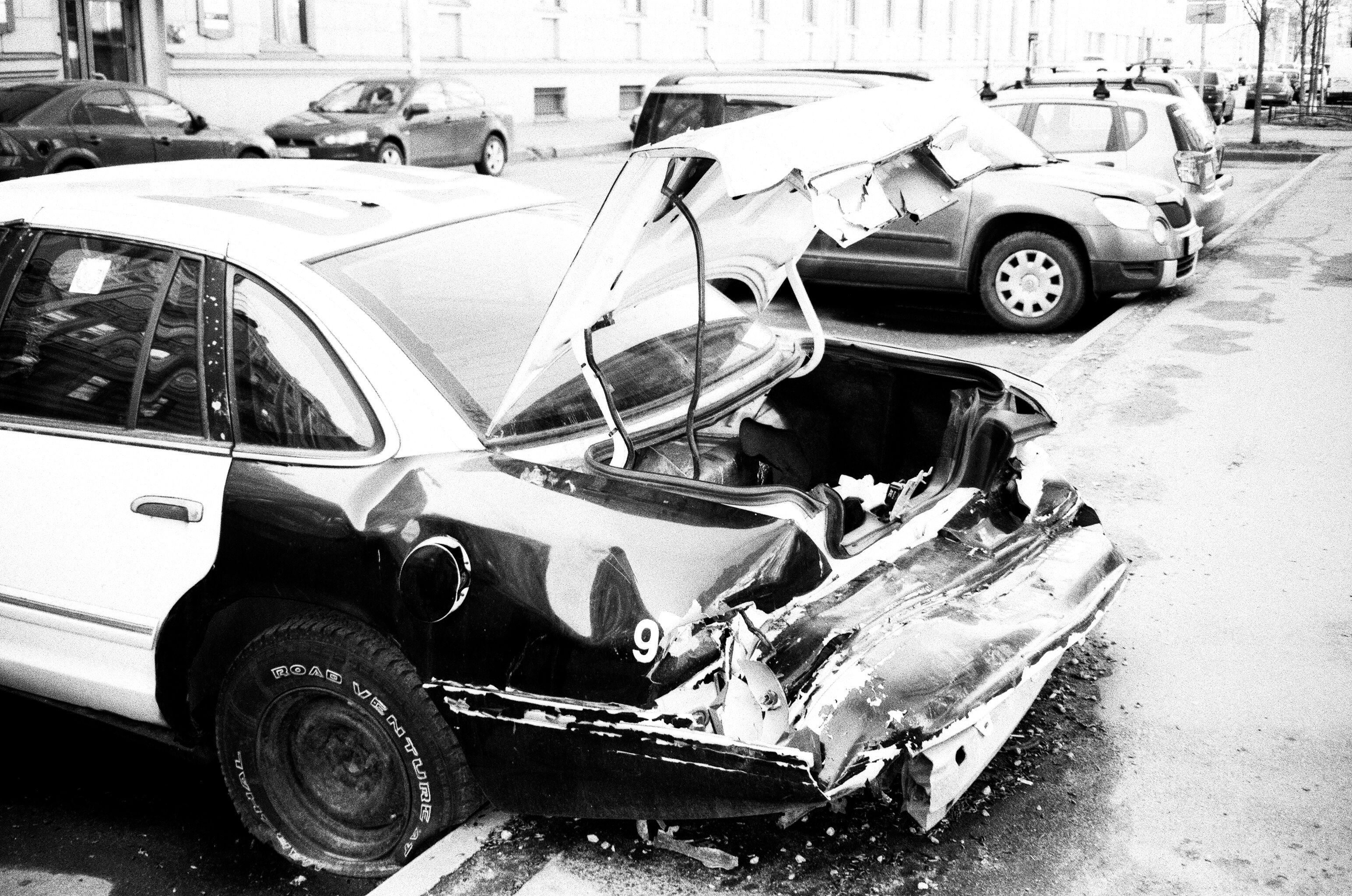

Answers, before you even call.
Have a question we didn't cover? Contact us anytime. Every consultation is free, confidential, and no-strings.

Hurt in New Jersey? Let's Talk.
James Vasquez gives injured people across New Jersey a free, no obligation case review. Tell us what happened and we'll walk you through your options and what your claim may be worth.
.png)
Reach us whatever way works for you.
Need to talk to someone right now?

Areas we serve



.jpg)