Winter Car Accidents in New Jersey: Fault, Insurance & Claims
.avif)
Explains that drivers still owe a duty to adjust speed for conditions, breaks down the narrow "weather immunity" defense public entities get under N.J.S.A. 59:4-7 (and its limits when a public employee's own negligence contributes), and covers PIP, comparative negligence, and pileup fault.
A lot of people assume that if a car accident happens during a snowstorm, no one can really be blamed for it, since the weather was outside anyone's control. That is not how New Jersey law actually works. Drivers still have a duty to adjust their speed and driving to match road conditions, and failing to do so can absolutely support a negligence claim.
Winter accidents do introduce some genuinely different questions, particularly when a government entity's road maintenance is part of the picture, and understanding those differences matters if you were hurt in a crash during bad weather.
Is Weather a Legal Excuse for Causing a Crash?
No. New Jersey's basic speed law requires drivers to operate at a speed that is reasonable and prudent for existing conditions, which includes snow, ice, rain and reduced visibility, not simply the posted speed limit under clear conditions. A driver who continues at highway speed through active snowfall, follows too closely on an icy road or fails to allow extra stopping distance can still be found negligent, since the standard is what a reasonably careful driver would do given the conditions actually present, not what the weather made difficult.
Can You Sue the State or a Town for Not Clearing the Road?
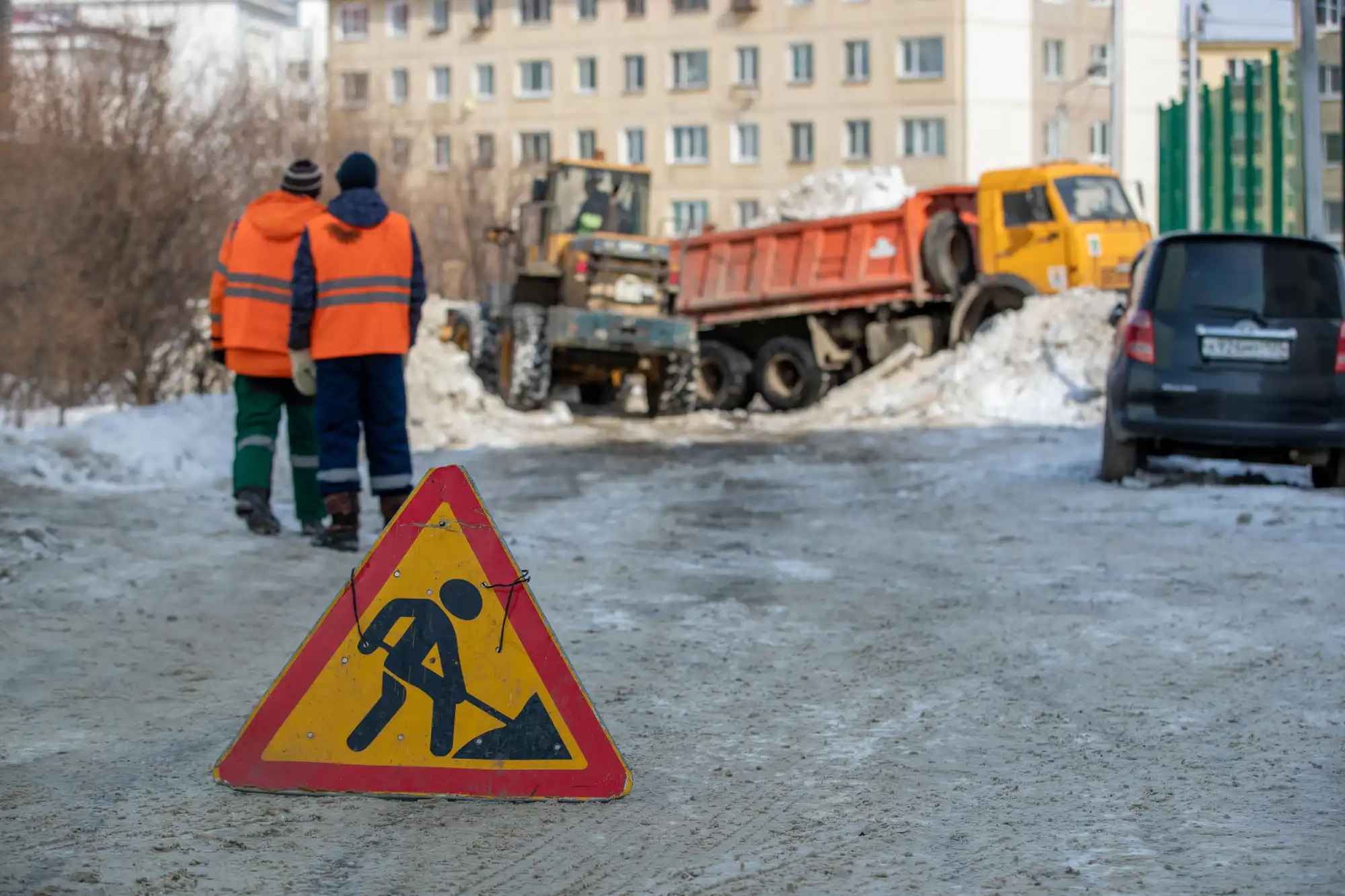
Generally, no, though there are important exceptions. Under N.J.S.A. 59:4-7, part of the New Jersey Tort Claims Act, a public entity is not liable for an injury caused solely by the effect of weather conditions on a public road. New Jersey courts have also recognized a related common law immunity for a public entity's snow removal activities themselves. Both immunities have real limits, however. If a public employee's own negligent driving, separate and apart from the weather, contributed to the crash, the weather immunity does not shield the public entity from liability for that negligence.
Attorney insight: Weather immunity protects a public entity from liability for the weather itself, not from liability for its own employee's careless driving during that weather. I always look closely at whether a public vehicle, such as a plow truck or a transit bus, was involved and whether its driver's own conduct, not just the storm, contributed to the crash.
How Does Comparative Negligence Apply to Winter Accidents?
The same rules apply as in any other New Jersey car accident. You can still recover damages even if you share some of the blame, but your compensation is reduced by your percentage of fault, and you are barred from recovering entirely if you are found more than half responsible. New Jersey follows a modified comparative negligence rule under N.J.S.A. 2A:15-5.1: if your damages total 100,000 dollars and you are found 20 percent at fault, your recovery drops to 80,000 dollars. Insurers frequently argue that any driver on the road during a storm assumed some risk, but that argument does not eliminate the other driver's own duty to drive safely for the conditions.
Who Is at Fault in a Multi-Car Pileup?
Determining fault in a chain reaction crash during a snowstorm is often more complicated than a typical two car accident. It is common for more than one driver to share some percentage of fault, whether through following too closely, failing to slow down early enough or losing control on ice. Reconstructing exactly how the pileup began, including which vehicle made initial contact and how the collision cascaded backward, usually requires a careful review of the police report, witness statements and any available dashcam or surveillance footage from nearby businesses.
Does PIP Still Cover Weather Related Crashes?
Yes. New Jersey's personal injury protection coverage applies regardless of what caused the crash, including weather related conditions, and continues to pay medical bills and lost wages the same way it would for any other accident. Fault and PIP coverage are separate questions, meaning your medical bills should be covered right away even while liability for the crash itself is still being sorted out.
What Evidence Matters Most in a Winter Accident Case?
Beyond the standard police report, weather records showing the exact conditions at the time of the crash, any available dashcam footage and photographs of road conditions before they change are especially valuable in a winter accident case. If a government entity's plowing or salting activity may be relevant, records showing when and how the roadway was last treated before the crash can help establish whether the weather immunity applies or whether a separate act of negligence was involved.
How Long Do You Have to File a Claim?
In most cases you have two years from the date of the crash to file a lawsuit under N.J.S.A. 2A:14-2, the same deadline that applies to any other car accident. If a government vehicle or a road maintenance decision may have contributed to the crash, a much shorter 90 day notice of claim requirement can apply instead under the New Jersey Tort Claims Act, and this deadline is not extended just because the crash happened during a storm.
How Can a Lawyer Help After a Winter Car Accident?
I start by gathering weather records, the police report and any available video evidence to reconstruct exactly how a winter crash happened, since fault in these cases often depends on details that can be easy to lose track of once the snow melts. From there I evaluate whether a government entity's own conduct, separate from the weather itself, may have contributed to the crash and negotiate with every applicable insurer, all on a no win no fee basis.
The Bottom Line
Bad weather does not erase a driver's duty to operate safely, and it does not automatically shield a government entity from liability if its own employee's negligence, rather than the storm itself, played a role in your crash. Understanding these distinctions is what determines whether a winter accident claim succeeds.
If you were hurt in a winter car accident anywhere in Passaic, Bergen, Essex or Morris County, I would be glad to review what happened and give you a straight answer on your options.


Answers, before you even call.
Have a question we didn't cover? Contact us anytime. Every consultation is free, confidential, and no-strings.

Hurt in New Jersey? Let's Talk.
James Vasquez gives injured people across New Jersey a free, no obligation case review. Tell us what happened and we'll walk you through your options and what your claim may be worth.
.png)
Reach us whatever way works for you.
Need to talk to someone right now?

Areas we serve



.jpg)