What If There Was No Warning Sign Before You Fell?
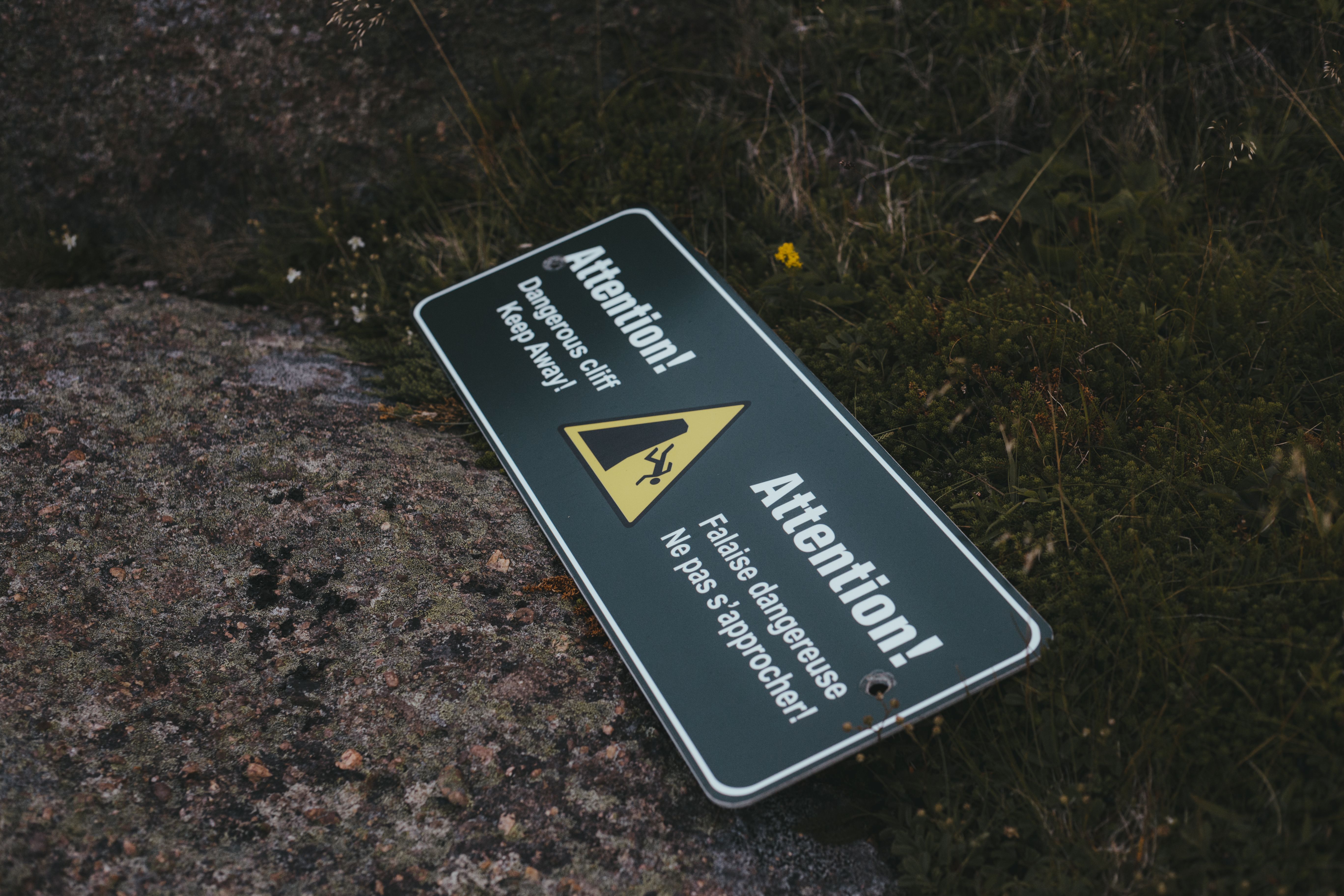
Clients often walk into my office convinced their case is a slam dunk because there was no wet floor sign, no cone, no barrier, nothing warning them about the hazard that caused their fall. I understand why that feels decisive. It is also not quite how the law works.
A missing warning sign is genuinely important evidence, and in many cases it is one of the more persuasive facts in the entire claim, but it is a piece of the puzzle rather than the whole picture. Here is exactly what a missing warning sign does and does not prove, how New Jersey courts think about a property owner's duty to warn, and how this fact fits into the rest of your case.
The absence of a warning sign is strong supporting evidence in a slip and fall case, but it does not by itself prove negligence. You still need to show the property owner knew or should have known about the hazard, since a business cannot be expected to warn about a danger it had no reason to know existed. Where a hazard was known, or should have been discovered through reasonable care, the failure to post any warning, sign, cone, or barrier becomes powerful evidence that the owner breached its duty to keep the premises safe. A missing sign also tends to weaken any argument that you should have simply avoided an obvious, clearly marked danger, which can help you on the comparative negligence side of the case as well.
The Property Owner's Duty to Warn
A property owner generally has two options when a hazard exists on their premises: fix it, or warn about it until it can be fixed. A wet floor from mopping, a temporary obstruction during a delivery, or a spill that has not yet been cleaned all fall into situations where an immediate fix is not always possible, which is exactly when a warning becomes the owner's primary tool for keeping visitors safe. A cone, a sign, tape, or even a verbal warning from an employee can all satisfy this duty. When none of those things are present and the owner knew or should have known about the hazard, that is a direct breach of the duty of care owed to visitors.
Why a Missing Sign Alone Is Not Automatically Enough
The reason a missing sign does not win a case by itself comes back to notice. If a hazard formed moments before your fall, such as a drink spilled by another customer seconds earlier, the property owner may not have had any realistic opportunity to warn anyone about it yet, sign or no sign. The absence of a warning only becomes meaningful once you can also show the owner had, or should have had, enough time to become aware of the hazard and respond to it. This is why a missing sign and a lack of notice are two separate things that both need to be established, even though they often go hand in hand in practice.
Attorney insight
I treat a missing warning sign as a strong supporting fact, not the centerpiece of a case on its own. The stronger argument is almost always built by combining it with evidence of how long the hazard existed, whether through video, witness accounts, or debris tracked into a spill, since that combination directly answers the question an insurance adjuster will raise first: how would we have known to put a sign there?
The Open and Obvious Doctrine
Property owners and their insurers sometimes argue the opposite point: that a hazard was so obvious no reasonable person would need a sign to notice and avoid it, and that a missing warning therefore does not matter. This is sometimes called the open and obvious doctrine. New Jersey courts do recognize this concept, but apply it cautiously rather than treating it as an automatic defense. Even where a danger might be considered obvious in the abstract, a property owner can still be found liable if they should reasonably have anticipated that visitors would encounter the hazard anyway, whether because they were focused on shopping, distracted by displays, or moving through a crowded area where looking down at every step is not realistic.
When "Obvious" Isn't Really Obvious
Courts and juries look closely at the specific circumstances surrounding a fall before accepting that a hazard was truly open and obvious. Several factors can undercut that argument even for a hazard that might seem visible in isolation.
- Distraction created by the owner, such as product displays, sale signage, or store layout drawing attention away from the floor
- Lighting conditions that made the hazard harder to see than it would have been in good light
- Foot traffic or crowding that limited a visitor's ability to watch every step
- Similarity to the surrounding surface, such as a clear liquid on similarly colored flooring
- Necessity of the path, where the only reasonable route through the area required passing directly through or near the hazard
How a Missing Sign Affects Comparative Negligence
New Jersey follows a modified comparative negligence rule under N.J.S.A. 2A:15-5.1, under which your compensation is reduced by whatever percentage of fault gets assigned to you, and barred entirely if you are found more than 50 percent responsible. Insurance companies frequently argue that an injured person should have simply seen and avoided the hazard. The absence of any sign, cone, or barrier directly undercuts that argument, since it is considerably harder to claim someone should have avoided a danger that nothing on the property indicated was even there. This can meaningfully reduce the percentage of fault an insurer tries to assign to you.
Common Situations Where This Comes Up
SituationWhy the missing sign mattersFreshly mopped or waxed floorCleaning creates a known, temporary hazard that a warning is specifically designed to addressSpill in a grocery or retail aisleEspecially relevant when combined with evidence the spill existed for some time before your fallConstruction or repair areaOngoing work creates a foreseeable hazard that typically requires barriers or signage under standard safety practiceSnow or ice on a walkwayRelevant alongside evidence of how much time passed since the weather event and any snow removal effortsLoose or torn flooringA known defect that should be marked or repaired rather than left unaddressed and unmarked
What to Document If There Was No Sign
If you can, photograph the entire area around where you fell, showing that no sign, cone, tape, or barrier was present anywhere nearby. Note this specifically in any incident report, using language like "no warning sign or cone was present" rather than leaving it out and assuming it will be obvious from other evidence. Ask whether the property has a standard policy requiring signage for wet floors or known hazards, since a written policy the business failed to follow is powerful evidence on its own.
Why this matters
Property owners sometimes place a sign only after a fall has already happened, and then argue the hazard was always marked. Photographs and incident reports created at the time, before any after-the-fact signage appears, are what protect you against this specific tactic.
How a Lawyer Uses This Fact to Build Your Case
A missing warning sign is a fact I build the rest of the case around rather than rely on by itself. That means pairing it with surveillance footage or witness accounts establishing how long the hazard existed, requesting the property's own safety and signage policies to show what should have happened, and directly countering any open and obvious argument with the specific circumstances, lighting, layout, and foot traffic, that made the hazard harder to notice and avoid than the insurance company will claim.
The Bottom Line
A missing warning sign is genuinely valuable evidence in a slip and fall case, both because it can support the claim that the property owner failed to meet its duty to warn and because it weakens an insurer's argument that you should have avoided an obvious danger on your own. It is not, by itself, an automatic win, since you still need to show the owner knew or should have known about the hazard in the first place. Combined with the right supporting evidence, though, it is often one of the most persuasive facts in the entire case.
If you fell somewhere in Passaic, Bergen, Essex, or Morris County and there was no warning sign anywhere near the hazard, I would be glad to look at what happened and help you understand how strong that fact makes your case.
Related Articles and Resources



Answers, before you even call.
Have a question we didn't cover? Contact us anytime. Every consultation is free, confidential, and no-strings.

Hurt in New Jersey? Let's Talk.
James Vasquez gives injured people across New Jersey a free, no obligation case review. Tell us what happened and we'll walk you through your options and what your claim may be worth.
.png)
Reach us whatever way works for you.
Need to talk to someone right now?

Areas we serve



.jpg)