What Evidence Do You Need for a Slip-and-Fall Claim?
Knowing that a property owner was careless is not the same as being able to prove it, and evidence is the entire bridge between those two things in a slip and fall case. I have seen genuinely clear-cut falls fail to result in fair compensation simply because the hazard was gone by the time anyone thought to document it, and I have seen cases with modest injuries settle well because the proof was airtight from day one.
Below is a complete breakdown of every category of evidence that actually matters in a slip and fall claim, why each one matters, and how quickly you need to move to get it before it disappears.
A strong slip and fall claim generally rests on six categories of evidence: photographs or video of the hazard itself, surveillance footage, a written incident report, witness statements, the property's own maintenance and inspection records, and your medical records connecting the fall to your injuries. In more serious cases, expert opinions on causation, future care needs, or industry safety standards add another layer. Almost all of this evidence has a short shelf life, especially video footage and the hazard itself, which is why gathering it quickly matters as much as gathering it thoroughly.
Scene Evidence: The Hazard Itself
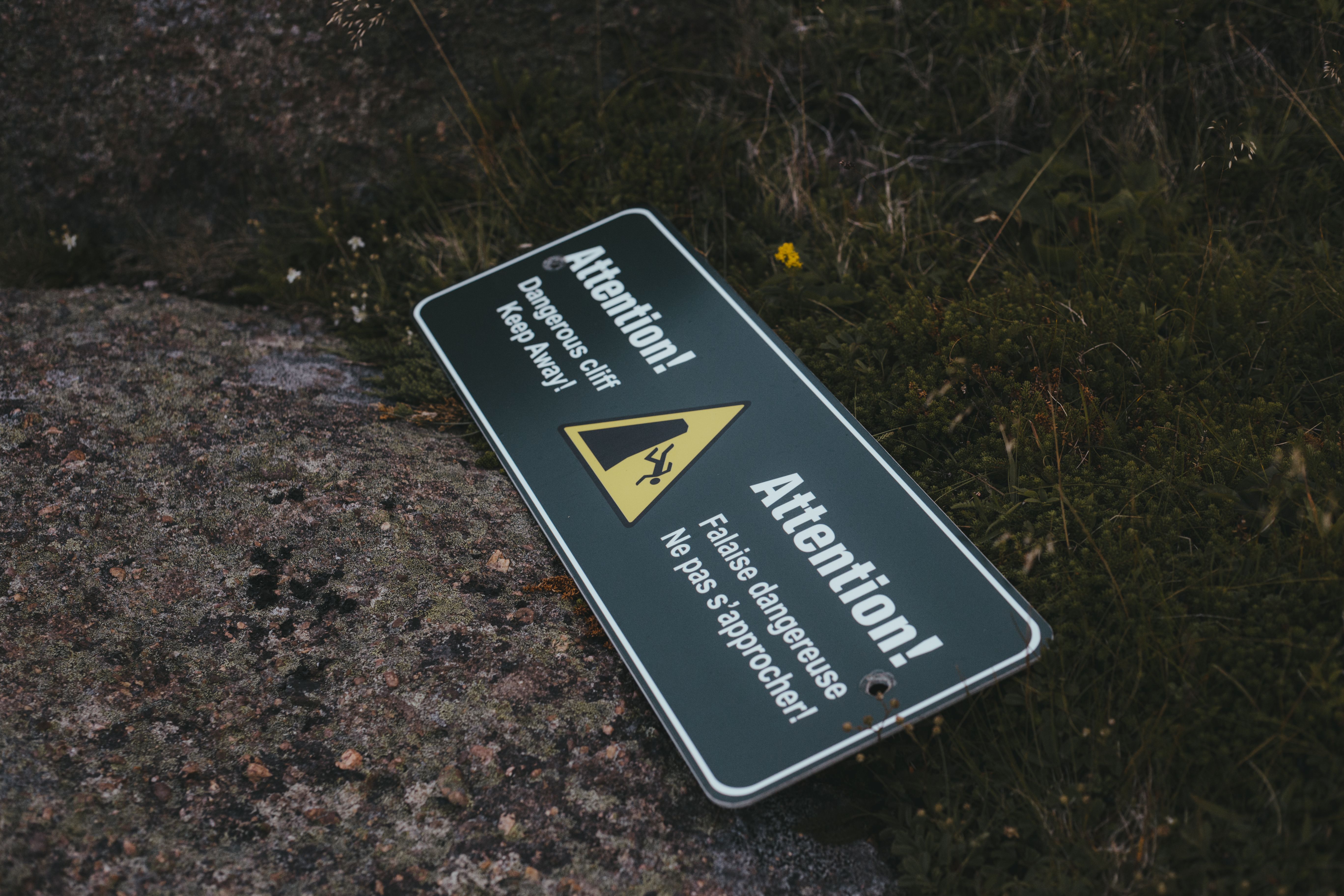
Nothing proves a dangerous condition existed better than a clear photograph or video of it, taken as close to the moment of the fall as possible. This means the actual puddle, torn carpet, broken step, or debris, photographed from multiple angles and distances, along with anything establishing scale, such as including your foot or a common object in the frame. Context matters too. A picture that also shows a missing warning sign, dim or flickering lighting, or dirt and debris that has settled into a spill, suggesting it sat there for a while, does more work than a close-up of the hazard alone.
Surveillance and Video Evidence
Surveillance footage is frequently the single most persuasive piece of evidence in a slip and fall claim, because it can show not just that the hazard existed, but how it formed, how long it sat there, and whether an employee walked past it without addressing it. This directly supports the notice element of a negligence claim, whether actual or constructive.
Attorney insight
Most businesses only retain surveillance footage for a matter of days to a few weeks before it gets automatically overwritten. A formal written request to preserve the footage, sent to the property owner or their insurer immediately after the fall, is one of the most time-sensitive things I do in every case, and it is often the difference between having video evidence and having none.
Incident and Accident Reports
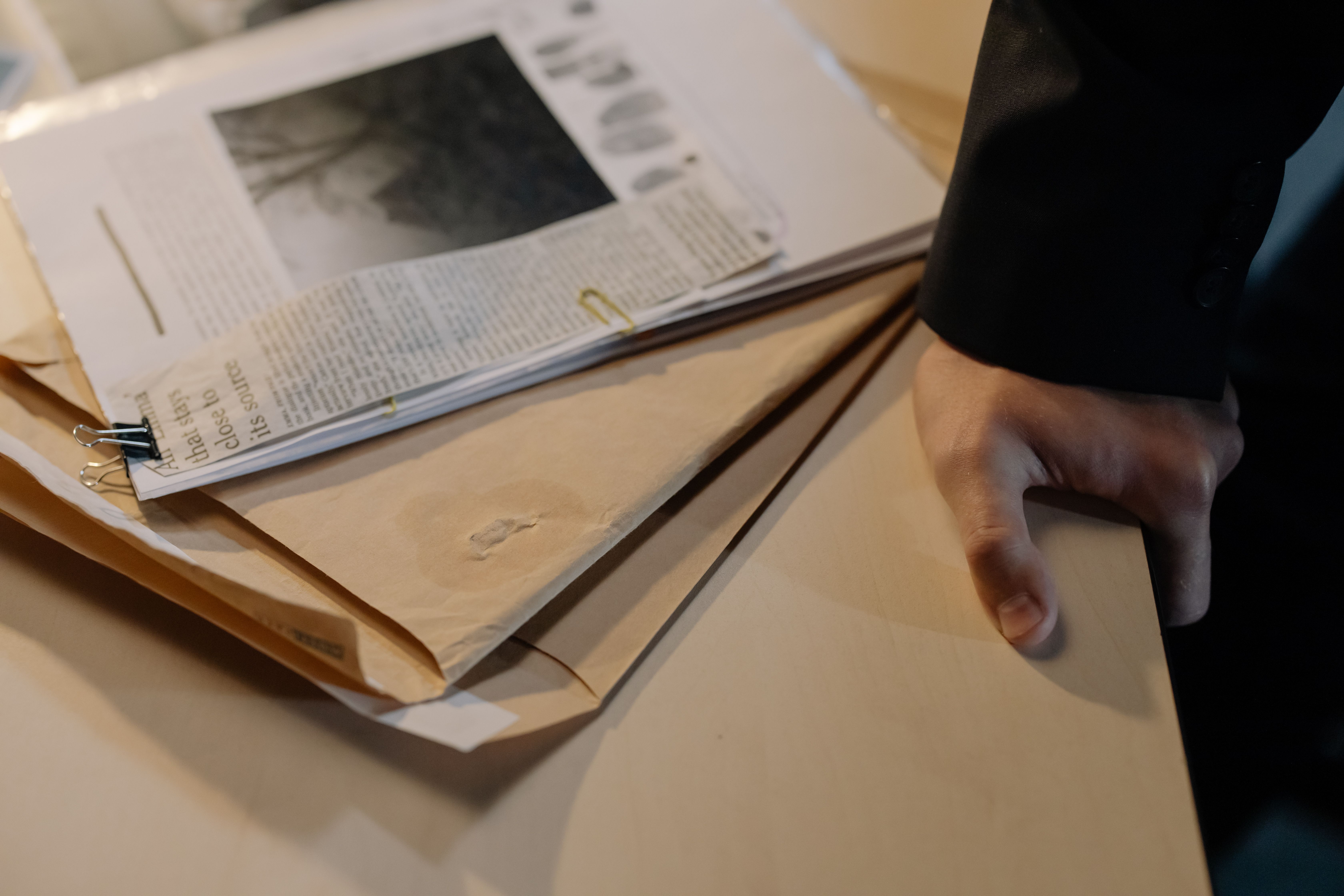
A written incident report created at the time of the fall documents the basic facts while they are fresh: where and when it happened, who was notified, and what the reporting employee observed. Even though the property owner or their insurer typically controls the original report, requesting your own copy, or at minimum the report number and the name of whoever took it, gives you something to point to and compare against later if the property's version of events shifts.
Witness Statements
An independent witness who saw the hazard, saw you fall, or heard an employee acknowledge the condition can meaningfully strengthen a claim, particularly on the question of how long a hazard existed. Witness accounts are also useful for countering an insurance company's argument that you were not paying attention or caused your own fall. Getting names and phone numbers at the scene matters because witnesses are difficult, and sometimes impossible, to track down after the fact.
Maintenance and Inspection Records
Businesses and property owners frequently keep logs showing when floors were cleaned, when safety inspections were performed, and when hazards were reported and addressed. These records can be requested formally during a claim or lawsuit, and gaps, missing entries, or a pattern of infrequent inspection can become some of the strongest evidence that the owner should have discovered a hazard through reasonable care, supporting a constructive notice argument even without a specific witness or video showing the hazard forming.
Medical Evidence
Medical evidence does the essential work of connecting your fall to your specific injuries. This includes emergency room and urgent care records from the day of the fall, follow-up treatment notes, imaging results, physical therapy records, and any specialist evaluations. Consistent treatment with providers who clearly document the mechanism of injury, meaning how the fall itself caused your specific symptoms, makes this connection far harder for an insurance company to dispute later.
Financial and Damages Evidence
Beyond proving what happened, you need to prove what it cost you. This includes itemized medical bills, receipts for out-of-pocket expenses like mobility aids or home modifications, and documentation of any lost income if the injury kept you out of work. This category directly supports the damages element of your claim and forms the foundation for how a settlement or verdict gets calculated.
Expert Evidence in More Serious Cases
Cases involving significant or permanent injury sometimes benefit from expert testimony beyond your treating providers. A safety or premises liability expert can speak to whether a condition violated applicable building codes or industry standards. A medical expert can address complex causation questions or a permanent impairment rating. An economist or vocational expert can quantify a genuine loss of future earning capacity. These experts add cost and are not necessary in every case, but they can be decisive in disputed liability cases or claims involving lasting injury.
A Practical Evidence Checklist
- Photos and video of the exact hazard, taken from multiple angles
- A written incident report, or at minimum the report number and who took it
- Names and phone numbers of any witnesses
- A written request to preserve surveillance footage, sent as soon as possible
- Complete medical records from every provider who treated you
- Copies of all medical bills and receipts for related expenses
- Documentation of any missed work and lost income
- Your own written notes about how the fall happened, written while your memory is freshest
What If Key Evidence Is Already Gone
A claim is not automatically over just because the hazard was cleaned up before you thought to photograph it, or because you did not realize surveillance footage needed to be requested right away. Incident reports, witness accounts, maintenance records, and your medical history can still establish a strong case even without direct photographic proof of the hazard itself. That said, the loss of any one category of evidence makes the remaining categories more important, which is exactly why moving quickly to gather whatever is still available matters even when you feel like you are already behind.
How a Lawyer Preserves and Gathers Evidence
Part of what I do in the earliest days of a slip and fall case is send formal preservation letters for surveillance footage, request maintenance and inspection logs before they can be characterized as routinely destroyed, track down and speak with witnesses while their memories are fresh, and coordinate with treating providers to make sure the medical record clearly ties your injury to the fall. Evidence gathering in these cases is a race against time far more than it is a race against a filing deadline.
The Bottom Line
A slip and fall claim is only as strong as the evidence behind it, and the categories that matter most, the hazard itself, surveillance footage, reports, witnesses, records, and medical documentation, all start losing value the moment time passes. Acting quickly to gather and preserve this evidence is often more decisive to the outcome of a claim than the severity of the fall itself.
If you were hurt in a fall anywhere in Passaic, Bergen, Essex, or Morris County, I would be glad to help you figure out what evidence you already have, what is still available, and how to get it before it disappears.
Related Articles and Resources


Answers, before you even call.
Have a question we didn't cover? Contact us anytime. Every consultation is free, confidential, and no-strings.

Hurt in New Jersey? Let's Talk.
James Vasquez gives injured people across New Jersey a free, no obligation case review. Tell us what happened and we'll walk you through your options and what your claim may be worth.
.png)
Reach us whatever way works for you.
Need to talk to someone right now?

Areas we serve



.jpg)