What Evidence Should You Collect After a Truck Accident?
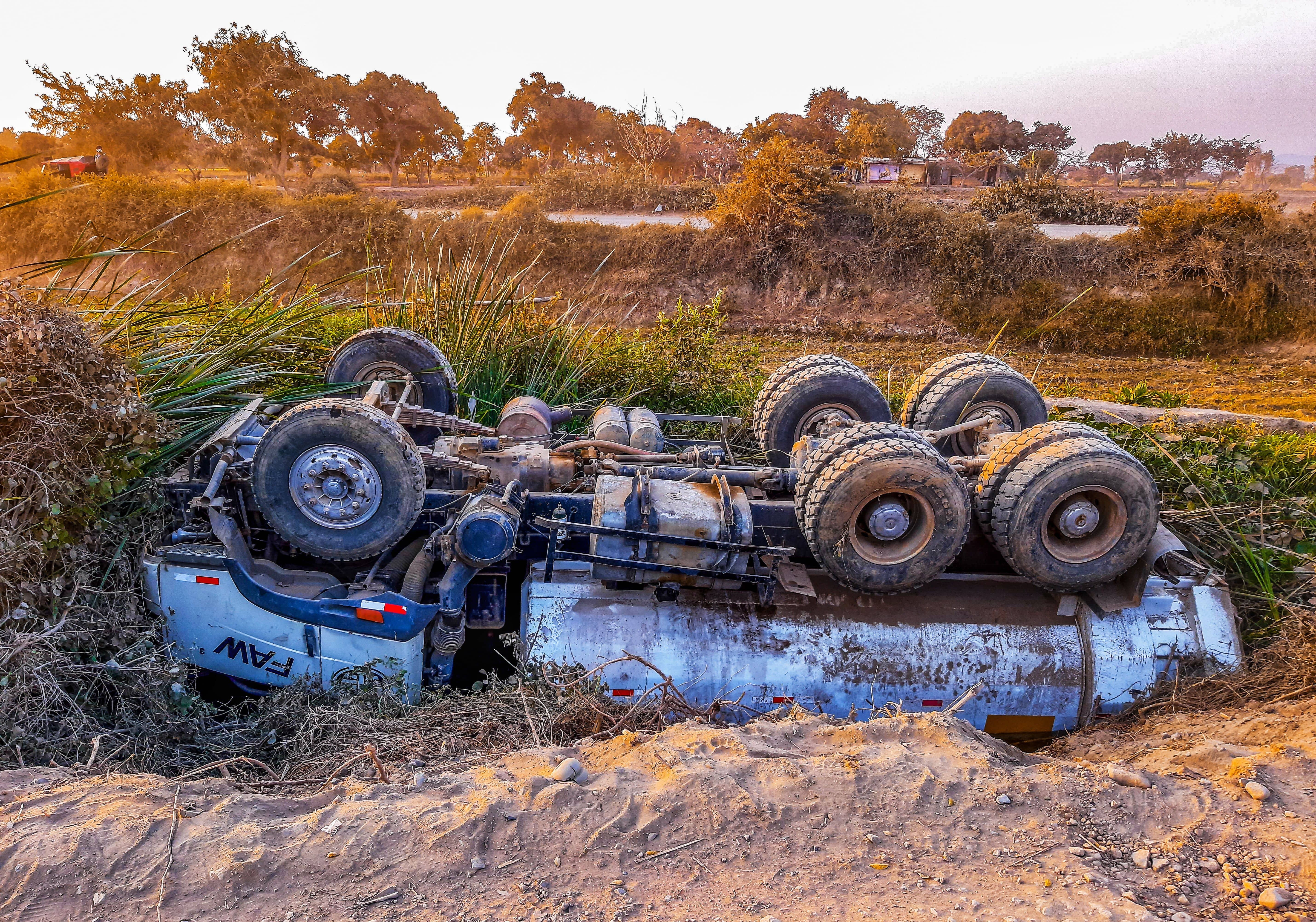
The evidence that wins or loses a truck accident case starts disappearing within hours, not years. A trucking company is only required to keep its driver's hours of service data for six months and its daily inspection reports for just 90 days, which means the strongest proof of what actually happened can legally vanish before most people even think about calling a lawyer.
In this article I want to walk through everything worth collecting after a truck accident, in the order it matters most, along with what only an attorney can obtain and why speed is the single biggest factor in how strong your case ends up being.
A car accident case usually comes down to two drivers and a police report. A truck accident case involves federal recordkeeping rules that were written for regulatory compliance, not litigation, and those rules set minimum retention periods that are often shorter than most people would guess. Hours of service and electronic logging device data generally only has to be kept for six months. Daily vehicle inspection reports only have to be kept for 90 days. Once those windows close, a trucking company can lawfully discard records that might have proven exactly what caused your crash, unless someone formally demands that the evidence be preserved first.
Evidence to Collect at the Scene
If you are physically able to do so safely, and only after calling 911 and confirming everyone's safety, the following is worth capturing at the scene itself:
- Photos and video from multiple angles of both vehicles, the point of impact, skid marks, debris, and the surrounding roadway
- The overall scene, including traffic signals, road signage, lane markings, and weather or lighting conditions
- Your own visible injuries and any damage to personal property inside the vehicle
- The truck's license plate, trailer number, and any company markings painted on the door or trailer
- The responding officer's name, badge number, and the police report or incident number
If you are too injured to do any of this yourself, ask a passenger, a bystander, or a family member who arrives afterward to take these photos before the vehicles are moved or towed.
Getting the Truck's Identifying Information
This step gets overlooked constantly, and it matters more than people realize. The tractor, the trailer, and the cargo inside it are sometimes owned or operated by three completely different companies. Photographing the DOT number and MC number printed on the truck's door, along with the trailer's license plate and any markings identifying a separate logistics company or cargo owner, can be the difference between identifying every liable party and only finding one.
Witness Information
Get the name and phone number of anyone who saw the crash, including other drivers who stopped, pedestrians, and employees of any nearby businesses. Witnesses move on with their day quickly, and their memory of what they saw fades. A witness statement taken within days of a crash is far more valuable than one taken months later, and some witnesses are difficult or impossible to track down again if their contact information is not collected on the spot.
Medical Evidence
Seek medical treatment right away, even if your injuries seem minor at first. Adrenaline commonly masks pain in the hours after a serious collision, and a documented gap between the crash and your first treatment gives an insurance company a talking point to argue your injury was not caused by the accident. From there:
- Follow through on every recommended treatment, referral, and follow-up appointment
- Keep copies of medical records, bills, and imaging results as they come in
- Consider keeping a simple daily log of your pain levels, physical limitations, and how the injury affects your work and daily life
Evidence Unique to Commercial Trucks
This is where truck accident cases differ most from ordinary car accidents, and where the retention clock genuinely works against you. The following records exist because federal regulations require them, but they do not last long:
Federal rules also require a driver to be tested for drugs and alcohol after certain crashes, specifically any crash involving a fatality, or one where the driver receives a citation and the crash caused an injury requiring immediate medical treatment away from the scene or a vehicle to be towed. Drug testing must occur within 32 hours of the crash and alcohol testing within 8 hours, so this evidence is often generated almost immediately, even if you never see the results without a formal request.
Attorney insight
Most people assume a trucking company automatically keeps everything related to a serious crash. In practice, these are minimum federal retention periods, not company policy, and some carriers destroy records the moment the legal minimum passes. A written preservation demand sent in the days after a crash is often the only thing standing between this evidence existing and it being gone.
Evidence of Your Financial Losses
Beyond proving what happened, you also need to prove what the crash cost you. Useful documentation includes:
- Pay stubs or employer documentation of missed work and lost income
- Receipts for out-of-pocket medical expenses, medication, and mobility equipment
- Repair estimates or a total loss valuation for your vehicle
- Documentation of any household or childcare help you needed to hire because of your injury
Evidence Only an Attorney Can Obtain
Some of the most important evidence in a truck accident case is not something an injured person can request on their own. A trucking company generally will not hand over its driver's hours of service logs, internal maintenance files, or black box data to an accident victim directly. This is where a formal preservation letter, often called a spoliation letter, comes in. It is a written demand sent to the trucking company and its insurer requiring specific categories of evidence to be preserved before routine retention schedules allow them to be discarded. If the company fails to preserve evidence after receiving that letter, it can face real consequences in litigation for the failure. Later, during a lawsuit, a subpoena or formal discovery request can compel production of records the company would never volunteer on its own.
Why timing matters
A preservation letter sent the week of the crash can capture electronic logging device data, dispatch records, and maintenance history that would otherwise be gone well within the two year window most people assume they have to act.
What to Avoid Doing
A few common mistakes can quietly undermine an otherwise strong case:
- Giving a recorded statement to the trucking company's insurer before you understand the full extent of your injuries or have spoken with an attorney
- Posting about the crash or your recovery on social media, since insurers routinely review these accounts for anything that can be used to dispute your injuries
- Signing any documents or accepting an early settlement offer before you know the true value of your claim
- Repairing or discarding your vehicle before it has been photographed in detail or inspected, since the physical damage itself is evidence
How Fast Do You Need to Act?
Evidence typeRealistic window before it is at riskWitness memory and contact informationDays to a few weeksVehicle damage before repair or salvageDays to a few weeksDriver vehicle inspection reports90 daysElectronic logging device and hours of service data6 monthsNegative drug and alcohol test results1 year
Every one of these windows can close before an injured person has finished medical treatment, let alone filed a lawsuit. That gap is exactly why sending a preservation letter early, rather than waiting until a case is ready to file, is one of the most important early decisions in a truck accident claim.
How Can a Lawyer Help Preserve Your Evidence?
I built my process around treating the days right after a crash as evidence-preservation time, not paperwork time. That means sending a written preservation demand to the trucking company and its insurer as soon as I am retained, requesting the driver's qualification file, hours of service data, and maintenance records before the retention clock runs out, and, where the physical vehicles are still available, arranging for an inspection before repairs or salvage. None of this requires a lawsuit to already be filed. It simply requires acting early.
The Bottom Line
The strongest truck accident cases are built on evidence gathered in the first days and weeks after a crash, not evidence found months later. Photograph the scene if you can, get the truck's identifying information, collect witness contact information, treat your injuries promptly, and understand that the most powerful evidence, the trucking company's own compliance records, is often only available if someone demands it be preserved before it is legally allowed to disappear.
If you or someone you love was hurt in a truck accident anywhere in Passaic, Bergen, Essex, or Morris County, I would be glad to help make sure the right evidence is preserved before it is too late.
Related Articles and Resources




Answers, before you even call.
Have a question we didn't cover? Contact us anytime. Every consultation is free, confidential, and no-strings.

Hurt in New Jersey? Let's Talk.
James Vasquez gives injured people across New Jersey a free, no obligation case review. Tell us what happened and we'll walk you through your options and what your claim may be worth.
.png)
Reach us whatever way works for you.
Need to talk to someone right now?

Areas we serve



.jpg)