Truck Accident Lawsuit Timeline in New Jersey
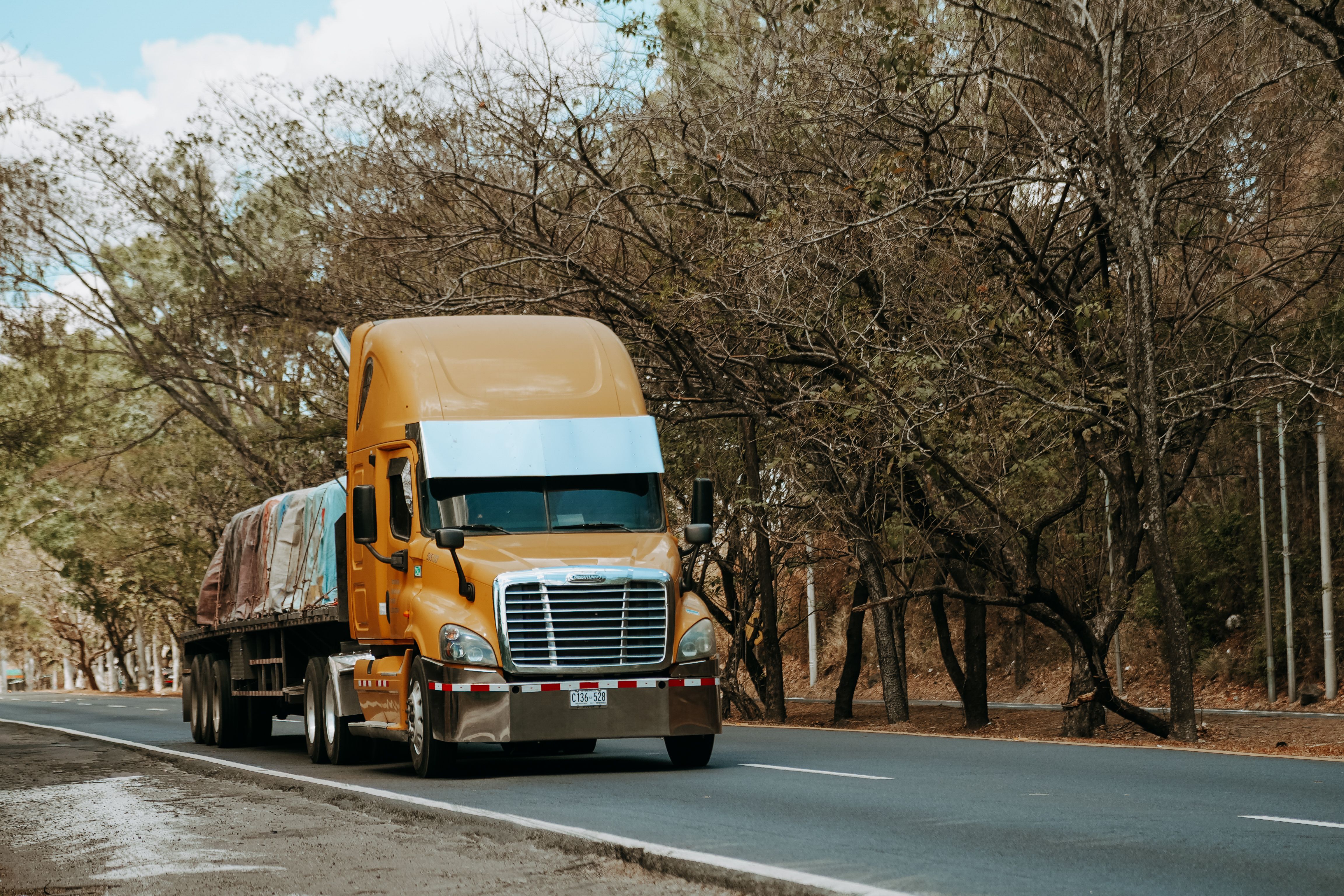
Most of my clients ask me the same question at our first meeting: how long is this actually going to take? The honest answer is that a New Jersey truck accident lawsuit typically runs somewhere between a year and a half and three years from the day it is filed to the day it resolves, though a case that settles early can move much faster and a case that goes to trial or gets appealed can take longer.
What surprises people most is that the timeline is not arbitrary. New Jersey's court rules set specific deadlines for nearly every stage, from how long a defendant has to answer a complaint to how many days of discovery a case gets before it moves toward arbitration or trial. Knowing that structure in advance takes a lot of the anxiety out of the process, so I want to walk through it stage by stage.
What Happens Before a Lawsuit Is Even Filed?
A lawsuit is usually the second step, not the first. Before I file anything, I want a real investigation done and, in most cases, I want my client's medical treatment far enough along that we understand the true scope of the injury. That period typically includes:
- Sending preservation letters to the trucking company demanding it retain electronic logging device data, black box data, driver qualification files, and maintenance records before routine retention schedules allow them to be discarded
- Gathering the police report, witness statements, and any available surveillance or dashcam footage
- Treating with appropriate medical providers and documenting the injury
- Submitting a demand to the trucking company's insurer once treatment has stabilized, to see whether the case can resolve without litigation
Some cases settle at this stage. Most serious truck accident cases do not, because a commercial insurer rarely offers full value before a lawsuit puts real pressure on the file.
How Long Do You Have to File a Truck Accident Lawsuit?
In most cases you have two years from the date of the crash to file suit, under N.J.S.A. 2A:14-2. If a government entity, such as a county road department or a public agency's vehicle, is involved, the timeline is very different. You generally must file a notice of claim within 90 days of the accident under the New Jersey Tort Claims Act, and the statute also requires you to wait at least six months after filing that notice before you can actually file a lawsuit, to give the public entity a chance to respond. Missing either deadline can bar the claim entirely, which is why I tell every client to treat the first 90 days after a crash as the most important window in the entire case.
Filing the Complaint and Getting a Track Assignment
Once a lawsuit is necessary, we file a complaint in the New Jersey Superior Court, Law Division, along with a Civil Case Information Statement describing the nature of the claim. Within ten days, the court mails a notice assigning the case to one of four litigation tracks, which sets how much time the case gets for discovery:
Most truck accident cases land on Track II. If the case also includes a products liability claim against a truck or parts manufacturer, or involves several defendants and a genuinely complicated fact pattern, it may be assigned to Track III instead, which allows significantly more time for discovery.
Serving the Trucking Company
After filing, the complaint and summons must be formally served on every defendant. A defendant then generally has 35 days to file an answer. Trucking companies are often based outside New Jersey, which can add time to this step and can also open the door for the company to remove the case to federal court if the parties are from different states and the amount in controversy meets the federal threshold. Removal does not change the underlying facts of the case, but it does mean a different set of procedural rules and deadlines going forward.
The Discovery Phase
Discovery is where most of the calendar time in a truck accident case gets spent. Depending on the track, the parties have 300 to 450 days, counted from the date the first answer is filed or 90 days after the first defendant is served, whichever comes first. During this window, both sides typically:
- Exchange written interrogatories, generally answered within 30 to 60 days depending on the form
- Request and produce documents, including the trucking company's electronic logging device data, driver qualification file, and maintenance records
- Take depositions of the truck driver, a corporate representative of the trucking company, treating physicians, and any eyewitnesses
- Schedule an independent medical examination of the injured plaintiff, which the defense is generally entitled to request
Attorney insight
The discovery period is not just paperwork. It is where a truck accident case actually gets built or falls apart. Requesting electronic logging device and maintenance data the day suit is filed, rather than waiting, gives us the entire discovery window to depose the right witnesses about what those records show.
Expert Reports and Accident Reconstruction
Serious truck accident cases usually require expert testimony, and expert reports need to be exchanged well before the discovery end date so the opposing side has a fair chance to respond. An accident reconstruction engineer may need to analyze black box and scene data to establish speed and braking. A medical expert may need to address permanency and future care needs. A trucking safety expert may need to address federal hours of service or maintenance compliance. Coordinating these reports on time is one of the more common sources of discovery delay if it is not managed carefully.
Mandatory Arbitration
Once discovery closes, most New Jersey truck and auto negligence cases are required to go through non-binding arbitration under Court Rule 4:21A before they can proceed to trial. A neutral attorney or retired judge hears a condensed version of the case, generally in less formal proceedings than a courtroom trial, and issues a written award.
Either side can accept the award or reject it. If a party rejects the award, it must file a demand for a trial de novo within 30 days and pay the associated fee, and the court is then required to schedule an actual trial within 90 days of that rejection. Many cases settle in the window right after an arbitration award comes back, since the award gives both sides a realistic, third-party view of what the case is worth.
Settlement Negotiations and Mediation
Settlement is not confined to one stage of the case. It can happen before a lawsuit is filed, at any point during discovery, immediately after an arbitration award, or literally on the morning of trial. Many counties also encourage or require a settlement conference or mediation session before trial. In my experience, cases with strong liability evidence and a well-documented injury tend to resolve earlier, while cases with disputed fault or catastrophic injuries requiring extensive future care projections often take longer to reach a number both sides can accept.
Motion Practice
Throughout the case, either side may file motions, most commonly a motion for summary judgment arguing that there is no genuine factual dispute requiring a trial. In a truck accident case, these motions often address whether a particular defendant, such as a cargo loader or maintenance vendor, owed a legal duty at all, or whether a plaintiff's own comparative fault is high enough to bar recovery. Motions are generally required to be filed and heard before the discovery period closes, which is one more reason discovery deadlines drive so much of the overall timeline.
Trial
If a case does not settle and a trial de novo is demanded after arbitration, the matter proceeds to a jury trial in the Superior Court vicinage where the case was filed. Trial involves jury selection, opening statements, testimony from fact and expert witnesses, closing arguments, jury instructions, and a verdict. Even after a trial date is set, the large majority of personal injury cases still resolve through settlement before the jury is ever selected, though the trial date itself is often what finally motivates a fair offer.
After the Verdict: Collection and Appeals
Once a verdict or judgment is entered, either side has a limited window to appeal to the Appellate Division. Absent an appeal, the case moves to collecting the judgment, which is usually straightforward when a commercial insurance policy is standing behind the defendant. An appeal, if one is filed, adds substantial additional time, often a year or more, before the case is fully resolved.
A Realistic Timeline at a Glance
Add it up, and a typical truck accident lawsuit that does not settle early runs about a year and a half to three years from filing to resolution. Cases involving federal court removal, multiple defendants, or a products liability claim tend to land on the longer end of that range.
How Can a Lawyer Keep Your Case Moving?
I built my practice around not letting a case sit idle. That means sending preservation letters the week a crash happens rather than the week suit is filed, requesting electronic logging device and maintenance records at the earliest possible moment, lining up expert witnesses well before a discovery end date creates a scramble, and pushing every stage forward instead of waiting for the calendar to force the issue. A well-managed truck accident case does not need to take longer than the court rules already allow.
The Bottom Line
A New Jersey truck accident lawsuit follows a predictable structure, even though the exact number of months depends on the facts of your case. Filing deadlines, track assignment, a defined discovery period, mandatory arbitration, and the possibility of a trial de novo all shape how long the process takes. Understanding that structure from day one is the best way to know what to expect and to make sure nothing slips through the cracks along the way.
If you or someone you love was hurt in a truck accident anywhere in Passaic, Bergen, Essex, or Morris County, I would be glad to walk you through exactly what your case's timeline is likely to look like.
Related Articles and Resources


Answers, before you even call.
Have a question we didn't cover? Contact us anytime. Every consultation is free, confidential, and no-strings.

Hurt in New Jersey? Let's Talk.
James Vasquez gives injured people across New Jersey a free, no obligation case review. Tell us what happened and we'll walk you through your options and what your claim may be worth.
.png)
Reach us whatever way works for you.
Need to talk to someone right now?

Areas we serve



.jpg)