Route 3 Car Accidents in New Jersey: Fault, Claims and Compensation
Uses the same NJDOT interchange safety findings from the Route 46 piece (shared Route 3/46/Valley Road corridor) plus the well-documented Hackensack River Bridge lane-split hazard in East Rutherford/Rutherford kept at the pattern level without naming victims from news coverage.
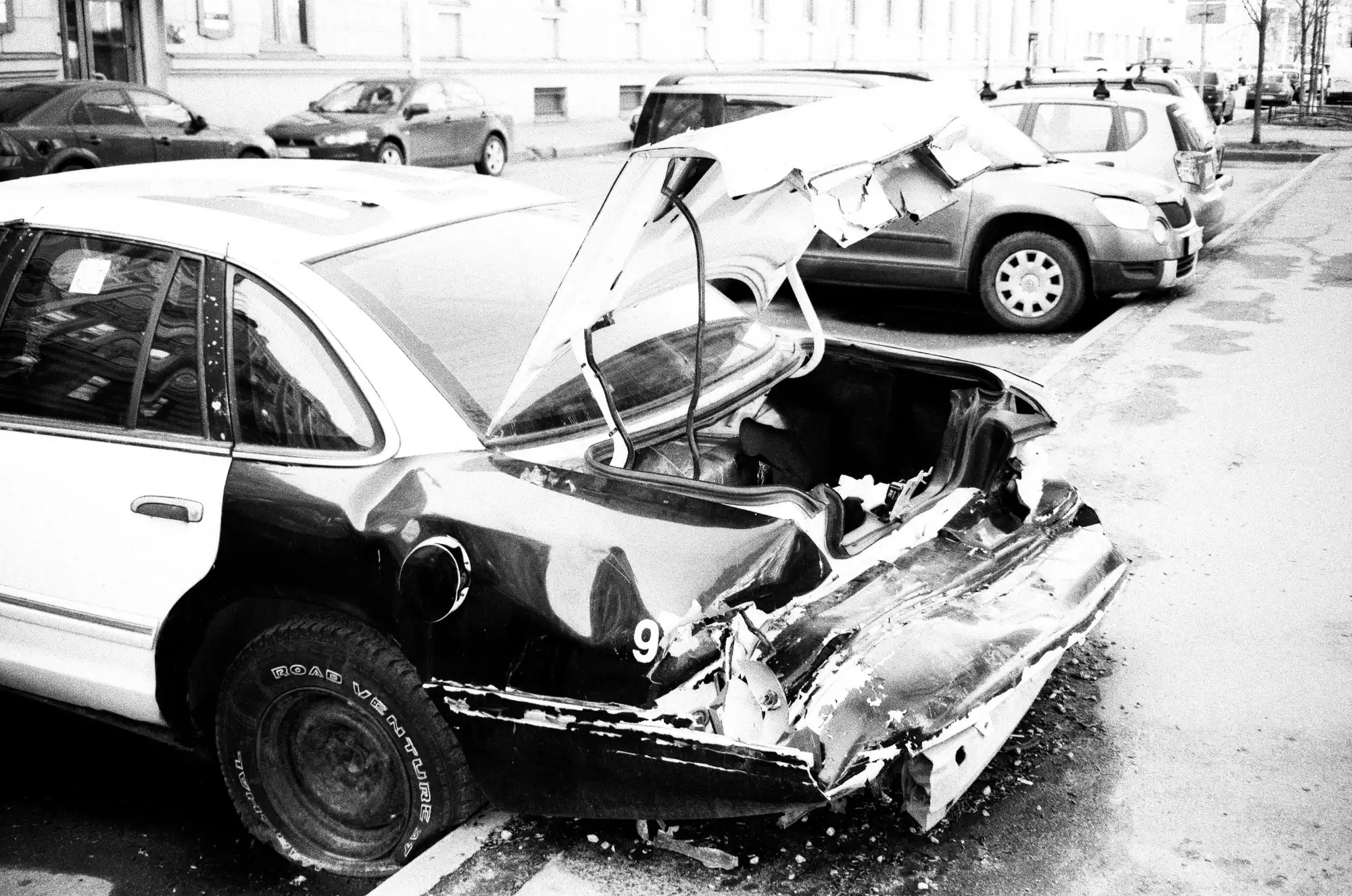
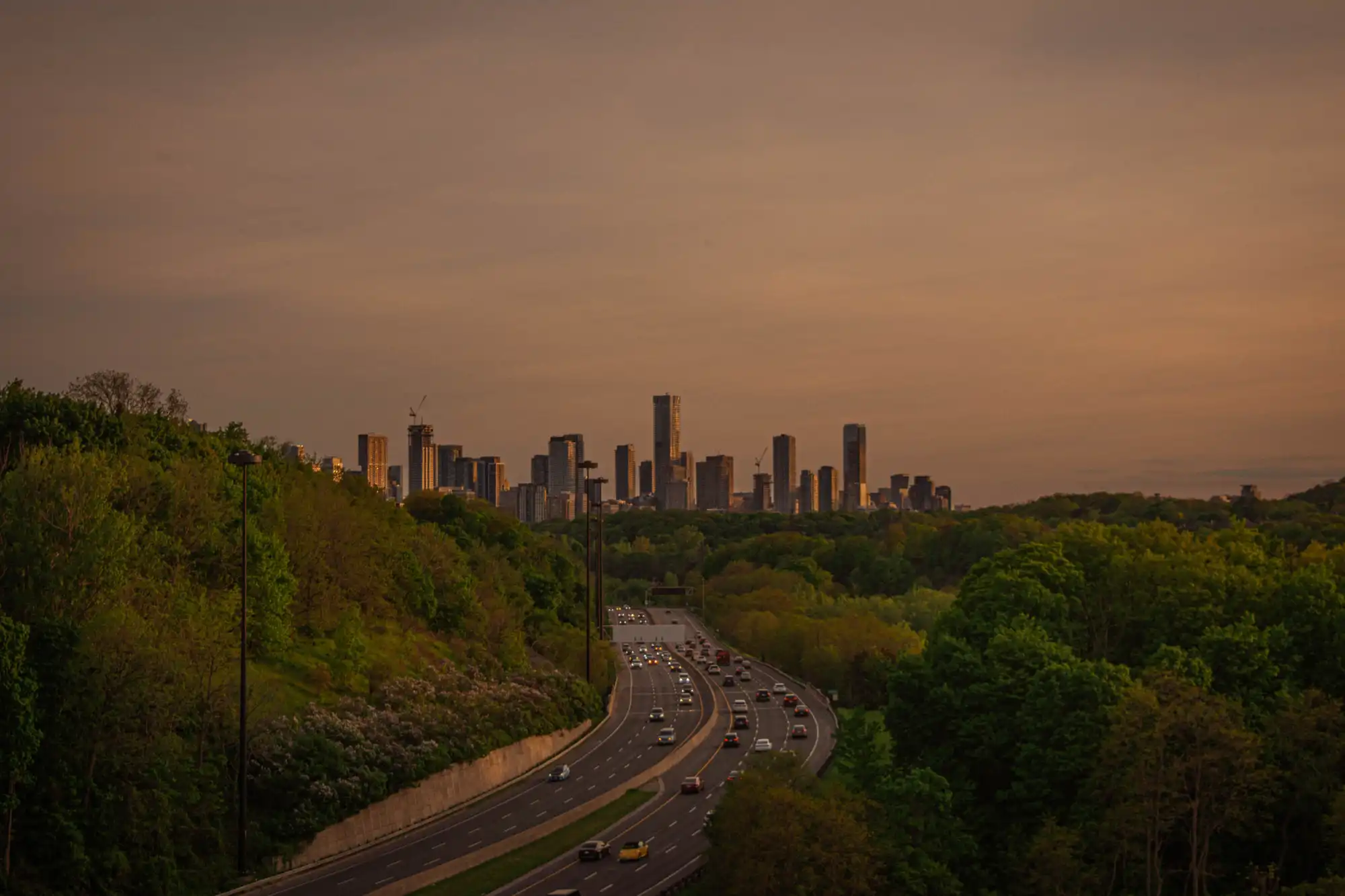
Route 3 carries some of the heaviest commuter and commercial traffic in North Jersey, running from Clifton through Passaic and Bergen County toward the Lincoln Tunnel approach, and it produces a steady stream of crashes ranging from rush hour rear end collisions to serious multi vehicle pileups near known trouble spots.
I have handled cases from crashes along this entire corridor, and figuring out fault, tracking down every source of insurance and understanding New Jersey's specific deadlines are what actually determine whether a claim gets fully compensated.
Why Does Route 3 See So Many Accidents?
Route 3 combines high traffic volume with several documented infrastructure problems. State transportation officials have flagged the Route 3, Route 46 and Valley Road interchange in Clifton for inadequate acceleration and deceleration lanes, narrow shoulder widths, closely spaced driveways and access points and poor sight distance, conditions the agency itself says have contributed to a high occurrence of crashes and chronic bottlenecks in that area. Further east, the Hackensack River Bridge crossing in East Rutherford and Rutherford has drawn attention for a lane configuration that regularly confuses drivers approaching at highway speed, contributing to clusters of sideswipe and rear end collisions.
Add in heavy truck traffic feeding the Meadowlands and MetLife Stadium area, frequent merges near the New Jersey Turnpike interchange and congestion building toward the Lincoln Tunnel, and Route 3 sees a mix of high speed highway crashes and slow moving, frustration driven collisions depending on the time of day and the stretch of road involved.
What Are the Known Hazard Areas Along Route 3?
Attorney insight: When a crash happens at one of these documented spots, I always look at whether the road design itself played a role, not just the other driver's behavior. That distinction can open up an entirely separate avenue of responsibility beyond the at fault driver's own insurance.
Who Can Be Held Liable for a Route 3 Accident?
Liability typically starts with whichever driver caused the crash, but Route 3's mix of heavy truck traffic and documented infrastructure issues means other parties can share responsibility depending on the facts. Parties I regularly investigate include the at fault driver, a trucking company if a commercial vehicle was involved, a maintenance contractor if a road defect contributed and in some cases a state or municipal entity responsible for the design or upkeep of the roadway itself.
Do You Have to Report the Crash to Police?
Yes, if the crash caused any injury, death or more than 500 dollars in property damage. Under N.J.S.A. 39:4-130, a driver involved in such a crash must give notice to local police, county police or the State Police by the quickest means of communication, and must also submit a written report to the Motor Vehicle Commission within 10 days if an officer does not already file one. Separately, N.J.S.A. 39:4-129 requires you to stop, exchange information and render reasonable assistance to anyone injured.
How Does Shared Fault Affect Your Claim?
You can still recover damages even if you share some of the blame, but your compensation is reduced by your percentage of fault, and you are barred from recovering entirely if you are found more than half responsible. New Jersey follows a modified comparative negligence rule under N.J.S.A. 2A:15-5.1: if your damages total 100,000 dollars and you are found 20 percent at fault, your recovery drops to 80,000 dollars. Congestion related crashes, like a rear end collision in stop and go traffic near the Turnpike interchange, often turn into fault disputes, which makes documenting the scene especially important.
What if a Construction Zone or Road Defect Was Involved?
Given how much of Route 3 has been the subject of active construction and interchange reconstruction work over the years, some crashes involve a road design or maintenance issue rather than, or in addition to, driver error. If a state or municipal entity's road design, signage, lighting or maintenance may have contributed to your crash, you generally must file a written notice of claim within 90 days of the accident under the New Jersey Tort Claims Act, far sooner than the two year deadline that applies to most car accident claims. Missing this shorter window can bar that portion of your claim entirely, so it is worth having the facts reviewed quickly if you suspect the road itself played a role.
How Long Do You Have to File a Claim?
In most cases you have two years from the date of the crash to file a lawsuit under N.J.S.A. 2A:14-2. This applies whether you are pursuing the other driver, a trucking company or another party. As noted above, if a government entity may be involved because of a road defect or a government vehicle, the 90 day notice of claim deadline governs instead, and it does not extend the standard two year period, it simply adds an earlier requirement you must satisfy first.
How Can a Lawyer Help After a Route 3 Crash?
I focus early on identifying every party who may share responsibility for a Route 3 crash, including pulling NJDOT incident and construction records when a documented hazard area is involved, securing commercial vehicle logs when a truck is part of the collision and negotiating directly with every applicable insurer on a no win no fee basis so my clients are never paying out of pocket to find out what their case is worth.
The Bottom Line
Route 3 is one of the busiest and, in certain stretches, one of the more hazardous roads in North Jersey, and a crash here can involve more moving parts than a typical accident case. Knowing where the crash happened, who else might share responsibility and which deadline applies to your situation all shape how much of your claim you can ultimately recover.
If you or someone you love was hurt in a crash on Route 3 or anywhere in Passaic, Bergen, Essex or Morris County, I would be glad to review what happened and give you a straight answer on your options.


Answers, before you even call.
Have a question we didn't cover? Contact us anytime. Every consultation is free, confidential, and no-strings.

Hurt in New Jersey? Let's Talk.
James Vasquez gives injured people across New Jersey a free, no obligation case review. Tell us what happened and we'll walk you through your options and what your claim may be worth.
.png)
Reach us whatever way works for you.
Need to talk to someone right now?

Areas we serve


.jpg)