Orange Truck Accident Lawyer Essex County, New Jersey
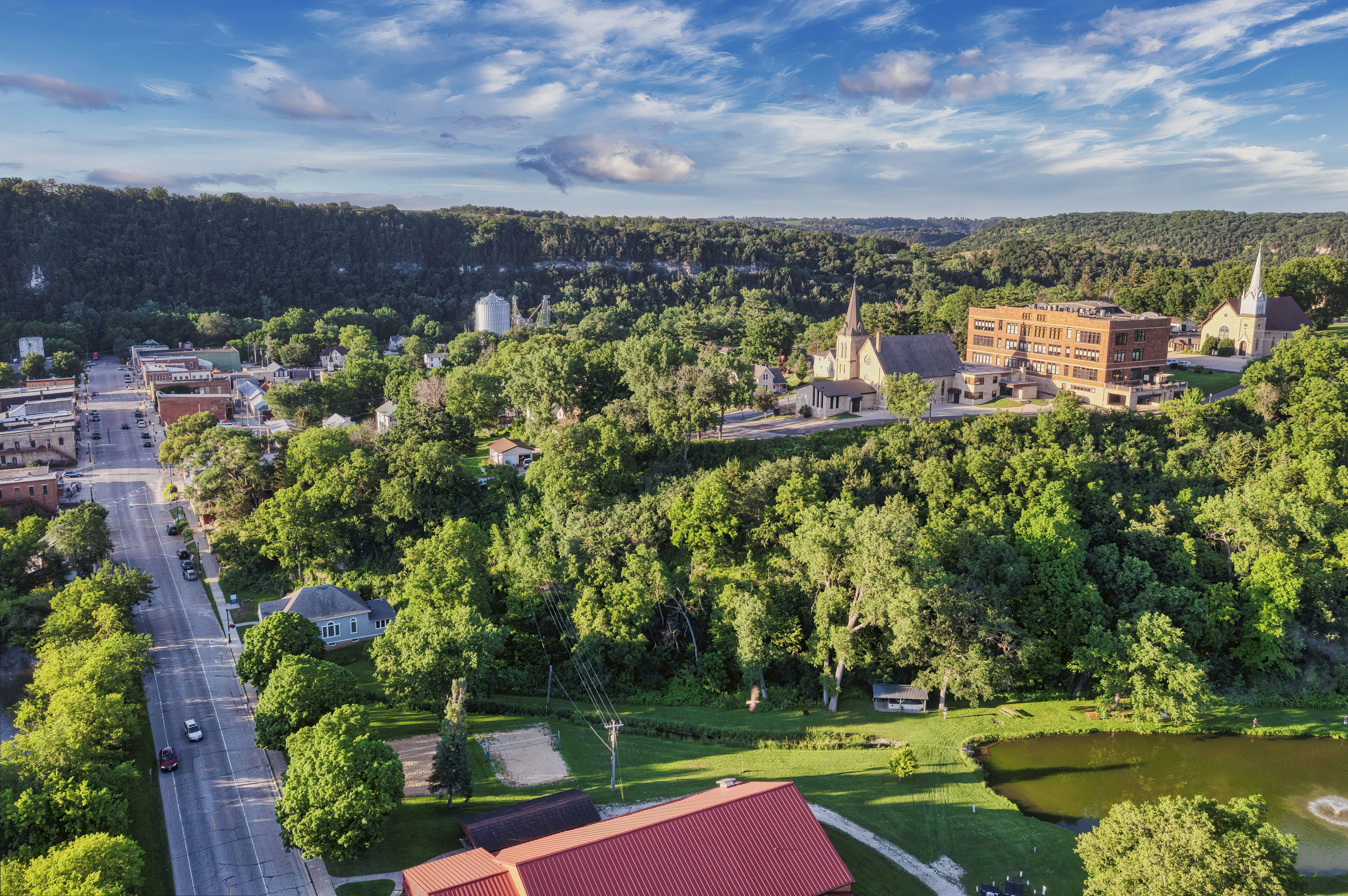
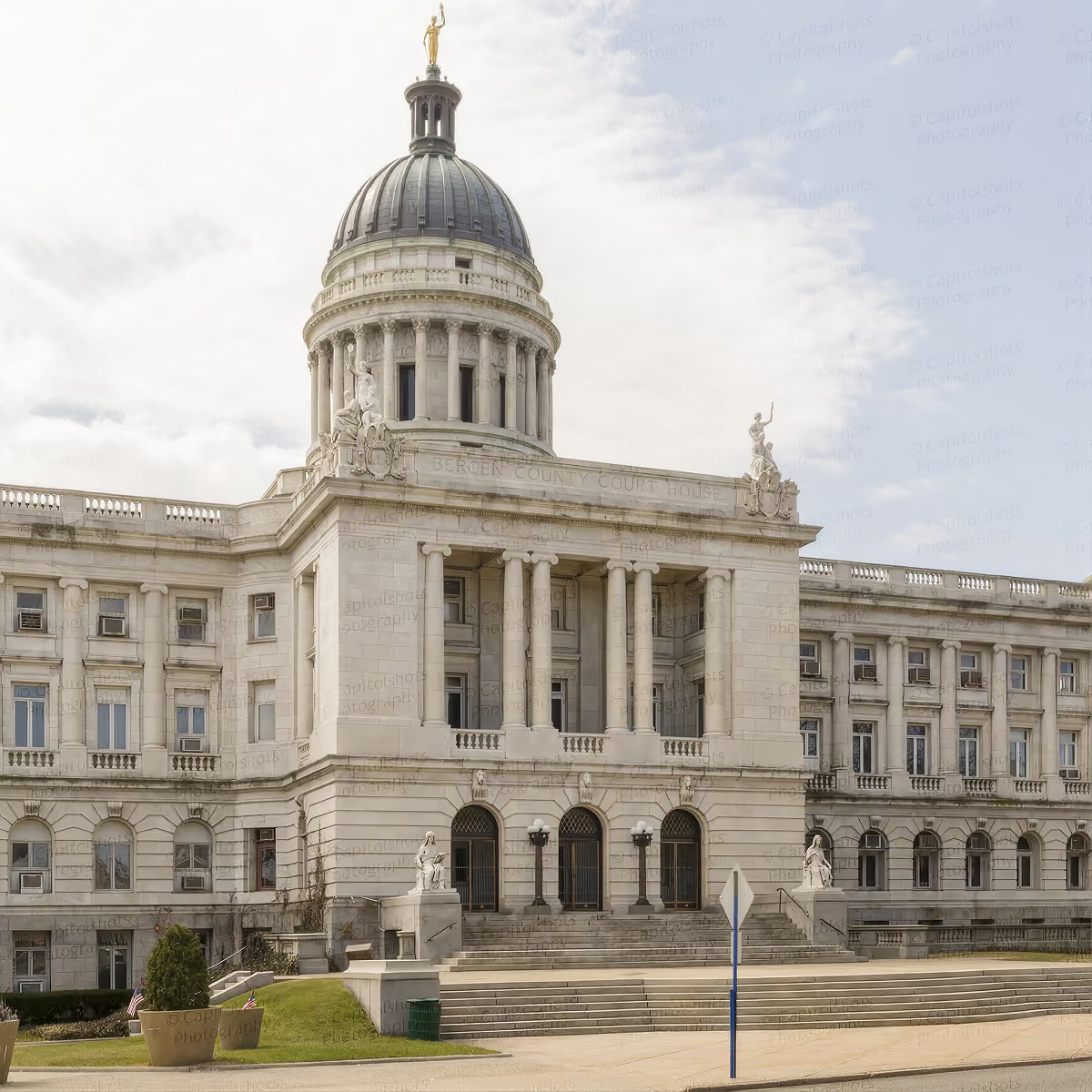
If you were hurt in Hackensack, James Vasquez fights to get you every dollar you are owed. He has represented Bergen County's injured since 2004, and he knows this county seat's I-80, Route 4 and Route 17 corridors, its historic Hackensack River bridges, and the streets around Main Street and Hackensack University Medical Center.
.avif)
How much is actually behind that truck
.avif)
.svg)
In an ordinary crash the coverage question is simple. In trucking it is layered, partly federal, partly contractual, and frequently the difference between a claim that compensates a catastrophic injury and one that does not.
Federal law requires interstate motor carriers to demonstrate financial responsibility at defined minimum levels. For a for hire carrier hauling general freight in a vehicle rated above 10,001 pounds, that minimum is $750,000. Carriers hauling oil and certain hazardous substances must carry $1 million, and the highest risk hazardous materials require $5 million. A fleet consisting entirely of lighter vehicles can satisfy a much lower figure. The problem is obvious once stated. The $750,000 baseline dates from 1980 and has not been increased since, while the cost of catastrophic injury has risen enormously. In a serious truck crash the primary policy is frequently exhausted before the medical bills are, which is why identifying excess and umbrella layers, and every additional responsible party with its own coverage, is not diligence but necessity. There is also a federal endorsement most carriers hold that behaves quite differently from ordinary insurance, and understanding it can matter when a carrier's insurer is arguing that the policy does not respond at all. James Vasquez has handled New Jersey injury claims since 2004.
Orange truck crash claims we take on
The coverage question runs through all of them and dominates the serious ones.

Where Orange truck crashes happen
A city crossed by a major interstate with commercial corridors feeding it, which produces both highway and street collisions.
Interchange ramps and merges
Loaded vehicles merging across lanes in short distances alongside commuter traffic moving at different speeds.
What decides recovery: identifying the operating carrier correctly, since the name on the trailer frequently is not the entity holding the authority and the insurance.

Industrial and warehouse approaches
Heavy vehicles turning from facilities onto roads carrying local traffic at speed, frequently across multiple lanes.
What decides recovery: whether a shipper, broker or facility operator shares responsibility, since each brings separate insurance into the case.
Fuel and chemical deliveries
Vehicles carrying hazardous materials to and through the area, subject to substantially higher financial responsibility requirements.
What decides recovery: what was being carried, because the required minimum rises sharply with the commodity and its quantity.

The Interstate 280 corridor
Long distance and regional carriers moving through, where the crash forces produce exactly the injuries that exhaust a primary policy.
What decides recovery: the coverage tower. Identifying excess and umbrella layers above the primary policy is frequently worth more than any liability argument.
Main Street and Central Avenue
Commercial vehicles serving frontage with no loading provision, turning and reversing among pedestrians and parked cars.
What decides recovery: whether the vehicle falls above or below the federal weight thresholds, because the required coverage differs substantially.
Residential delivery streets
Sight lines of a few metres, children present, and drivers manoeuvring vehicles into spaces never designed for them.
What decides recovery: the employer's own procedures and whether the vehicle was permitted on that street at all under local truck route designations.
In every one of these the coverage investigation runs alongside the liability investigation, and it starts with correctly identifying who was operating.
Six things that determine what is actually available
Federal minimums are the floor rather than the answer. Verify current figures, because they are set by regulation and have been the subject of rulemaking proposals.
$750,000 for general freight
The minimum for a for hire interstate carrier hauling non hazardous property in a vehicle rated above 10,001 pounds. Unchanged since 1980.
$1 million and $5 million tiers
Oil and certain hazardous substances require $1 million. The highest risk materials, including bulk explosives and poisonous gases, require $5 million.
Lighter fleets
Where an entire fleet consists of vehicles under 10,001 pounds, a substantially lower figure can satisfy the requirement, which matters in delivery cases.
The MCS-90
A federal endorsement requiring the insurer to pay a public liability judgment up to the federal minimum even where the policy itself would not respond, with a right to reimbursement from the carrier.
Excess and umbrella layers
Serious carriers commonly hold coverage well above the minimum, arranged in layers. None of it is volunteered and each layer has to be identified.
Bonds and self insurance
A carrier may satisfy the requirement through a surety bond or authorised self insurance rather than a policy, which changes who you are actually dealing with.
If your injuries are serious, assume the first figure you are given is not the whole picture and ask what sits above it. For how trucking claims work statewide, see the truck accident practice area page.
What the MCS-90 does that ordinary insurance does not
It is technical, it is genuinely unusual, and it exists to stop injured members of the public being left with nothing because of a coverage argument.

It overrides policy exclusions, up to a point
Under an ordinary policy, an exclusion can defeat a claim entirely. The MCS-90 endorsement requires the insurer to pay a final judgment for public liability resulting from negligence in the operation of a covered vehicle, even where the policy itself would not have responded, up to the federal minimum. It was designed precisely to remove the possibility of an injured person losing everything to a coverage dispute they had no part in.
The insurer can then recover from the carrier
This is what makes it different from ordinary coverage. Having paid under the endorsement, the insurer is entitled to reimbursement from its own insured. That structure means it functions more like a guarantee to the public than like insurance for the trucking company, and it also explains why insurers resist its application vigorously.
It applies per accident rather than per claimant
Where several people are injured in the same crash, the endorsement does not multiply. The available figure is per accident, shared among those injured, which is a limitation worth understanding early where multiple claimants exist. It also means the endorsement is a floor rather than a solution in a catastrophic multi claimant crash.
Three rules about trucking coverage
Confirm current figures against the regulations, because minimums are set by rule and have been the subject of proposed increases.
The federal minimum levels
For hire interstate carriers hauling non hazardous property in vehicles rated above 10,001 pounds must maintain at least $750,000. Oil and certain hazardous substances require $1 million, and the highest risk materials require $5 million. The general freight figure has not been increased since 1980.
The MCS-90 endorsement
A prescribed endorsement attached to a motor carrier's liability policy, requiring the insurer to pay a final judgment for public liability arising from negligent operation of a covered vehicle up to the federal minimum, even where the policy would otherwise exclude it, subject to reimbursement from the carrier.
Insurance is not the only route
A carrier may demonstrate financial responsibility through an endorsement, a surety bond, or written authorisation to self insure issued by the Department of Transportation. Self insurance requires a satisfactory safety rating, and it changes who an injured person is actually dealing with.
Hours of service and logging records, driver qualification, equipment standards and evidence preservation are covered on the truck accident practice area page and the Orange personal injury page.
What establishes the coverage picture
Runs alongside the liability investigation rather than after it.
Identify the operating carrier precisely
The federal identification numbers on the vehicle identify who holds the authority, which is frequently not the name painted on the trailer.
Check the public filings
Federal records show registration and financial responsibility filings, which is the starting point for establishing what was required and what was filed.
Demand disclosure of all applicable coverage
Not merely the primary policy. Excess layers, umbrella policies and any self insured retention all need identifying explicitly.
Establish what was being hauled
The commodity determines the required minimum, and a hazardous load raises it substantially. The bill of lading answers it.
Identify every other responsible party
Broker, shipper, equipment owner, maintenance contractor. Each brings separate insurance, which matters most when the carrier's coverage is inadequate.

.avif)

James Vasquez
Before James Vasquez ever represented an injured person, he sat on the other side of the table. As a former prosecutor and insurance-defense attorney, he spent years learning exactly how these cases are won and lost.
Now he uses it for you. When adjusters and opposing counsel face James, they're facing someone who has read their playbook, argued in their courtrooms, and knows precisely where their arguments break.
Based in Clifton and serving Passaic, Morris, and Essex Counties, his firm gives every client James's personal attention, backed by a team that knows your file cold.
Answers, before you even call.
Anything else you’d like to know? Get in touch with our sales team and we’d be happy to discuss your questions.


Hear Our Clients’ Stories

James Vasquez was the first name everyone recommended. People told me he would make sure I was taken care of, and they were right. The team was friendly, professional, down to earth, and experienced. They handled everything, and all I had to do was listen, follow their guidance, and focus on my recovery. One of the best parts of the experience was working with the paralegal, John Velazquez. Whenever I had questions, he would stop what he was doing, sit down with me, and explain everything in detail. I never felt rushed, and I always felt that my concerns were fully answered. He helped me understand every step of the legal process, and I truly felt like I had a friend inside the firm."
Kraig Moultrie


Hear Our Clients’ Stories
After the accident at work, my health and my ability to work changed dramatically. I faced many challenges because I could no longer do the same things I used to do. Before receiving help, I was afraid because my health wasn't improving, and I didn't know what to do. The insurance company made things difficult, asking me questions I didn't know how to answer, and I felt lost and overwhelmed. Then I found this team, and from the very first conversation they gave me confidence and explained everything clearly. They guided me through the entire treatment process, helped me access the medical care I needed, and supported me every step of the way."
Martina Contreras

What it's actually like to work with us
We'll skip the sales pitch. This is what it's actually like to have James in your corner; straight from the people who've been there.

"Staff is very Friendly. They keep you informed on a regular basis. The Attorneys are the best. Would recommend this Law firm to anyone."


"James Vasquez is one of the best Lawyers. He knows what he's doing at all times, very Professional along with his staffs that entire office has very good attitude. He keeps you updated and gives good advise he did very good with my case and I highly recommend him. He deserves more than five stars!"
"James Vasquez and his team took care of my case like if it was their own. I was able to take care of my car accident case, and even during this pandemic. I never felt pressured, and they were definitely patient with my case."
"Throughout this process, James and I kept in touch via email, and he offered his guidance every step of the way."
"I would highly recommend anyone to hire him!"
"Mr. Vasquez was able to recover a good settlement for me and he recommended me to great medical professionals to help with my back and neck injuries."
James Vasquez was the first name everyone recommended. People told me he would make sure I was taken care of, and they were right. The team was friendly, professional, down to earth, and experienced. They handled everything, and all I had to do was listen, follow their guidance, and focus on my recovery. One of the best parts of the experience was working with the paralegal, John Velazquez. Whenever I had questions, he would stop what he was doing, sit down with me, and explain everything in detail. I never felt rushed, and I always felt that my concerns were fully answered. He helped me understand every step of the legal process, and I truly felt like I had a friend inside the firm."
After the accident at work, my health and my ability to work changed dramatically. I faced many challenges because I could no longer do the same things I used to do. Before receiving help, I was afraid because my health wasn't improving, and I didn't know what to do. The insurance company made things difficult, asking me questions I didn't know how to answer, and I felt lost and overwhelmed. Then I found this team, and from the very first conversation they gave me confidence and explained everything clearly. They guided me through the entire treatment process, helped me access the medical care I needed, and supported me every step of the way."
"Staff is very Friendly. They keep you informed on a regular basis. The Attorneys are the best. Would recommend this Law firm to anyone."
"James Vasquez is one of the best Lawyers. He knows what he's doing at all times, very Professional along with his staffs that entire office has very good attitude. He keeps you updated and gives good advise he did very good with my case and I highly recommend him. He deserves more than five stars!"
"James Vasquez and his team took care of my case like if it was their own. I was able to take care of my car accident case, and even during this pandemic. I never felt pressured, and they were definitely patient with my case."
"Throughout this process, James and I kept in touch via email, and he offered his guidance every step of the way."
"I would highly recommend anyone to hire him!"
"Mr. Vasquez was able to recover a good settlement for me and he recommended me to great medical professionals to help with my back and neck injuries."
James Vasquez was the first name everyone recommended. People told me he would make sure I was taken care of, and they were right. The team was friendly, professional, down to earth, and experienced. They handled everything, and all I had to do was listen, follow their guidance, and focus on my recovery. One of the best parts of the experience was working with the paralegal, John Velazquez. Whenever I had questions, he would stop what he was doing, sit down with me, and explain everything in detail. I never felt rushed, and I always felt that my concerns were fully answered. He helped me understand every step of the legal process, and I truly felt like I had a friend inside the firm."
After the accident at work, my health and my ability to work changed dramatically. I faced many challenges because I could no longer do the same things I used to do. Before receiving help, I was afraid because my health wasn't improving, and I didn't know what to do. The insurance company made things difficult, asking me questions I didn't know how to answer, and I felt lost and overwhelmed. Then I found this team, and from the very first conversation they gave me confidence and explained everything clearly. They guided me through the entire treatment process, helped me access the medical care I needed, and supported me every step of the way."
Coverage information sits alongside the evidence, and both need demanding.
Publishes carrier registration, safety records and financial responsibility filings, searchable by the identification numbers displayed on the vehicle.
Hold the primary policy, any excess layers, the endorsement and any self insured retention. None of it is produced voluntarily.
Holds the crash report and, for serious commercial collisions, any post crash inspection or reconstruction materials.
Bill of lading and freight paperwork identify the commodity, which determines the required minimum coverage, and every party who handled the load.
Hurt in New Jersey? Let's Talk.
James Vasquez gives injured people across New Jersey a free, no obligation case review. Tell us what happened and we'll walk you through your options and what your claim may be worth.
.png)
Reach us whatever way works for you.
Need to talk to someone right now?

Areas we serve



.jpg)