Hackensack Rideshare Accident Lawyer Bergen County, New Jersey
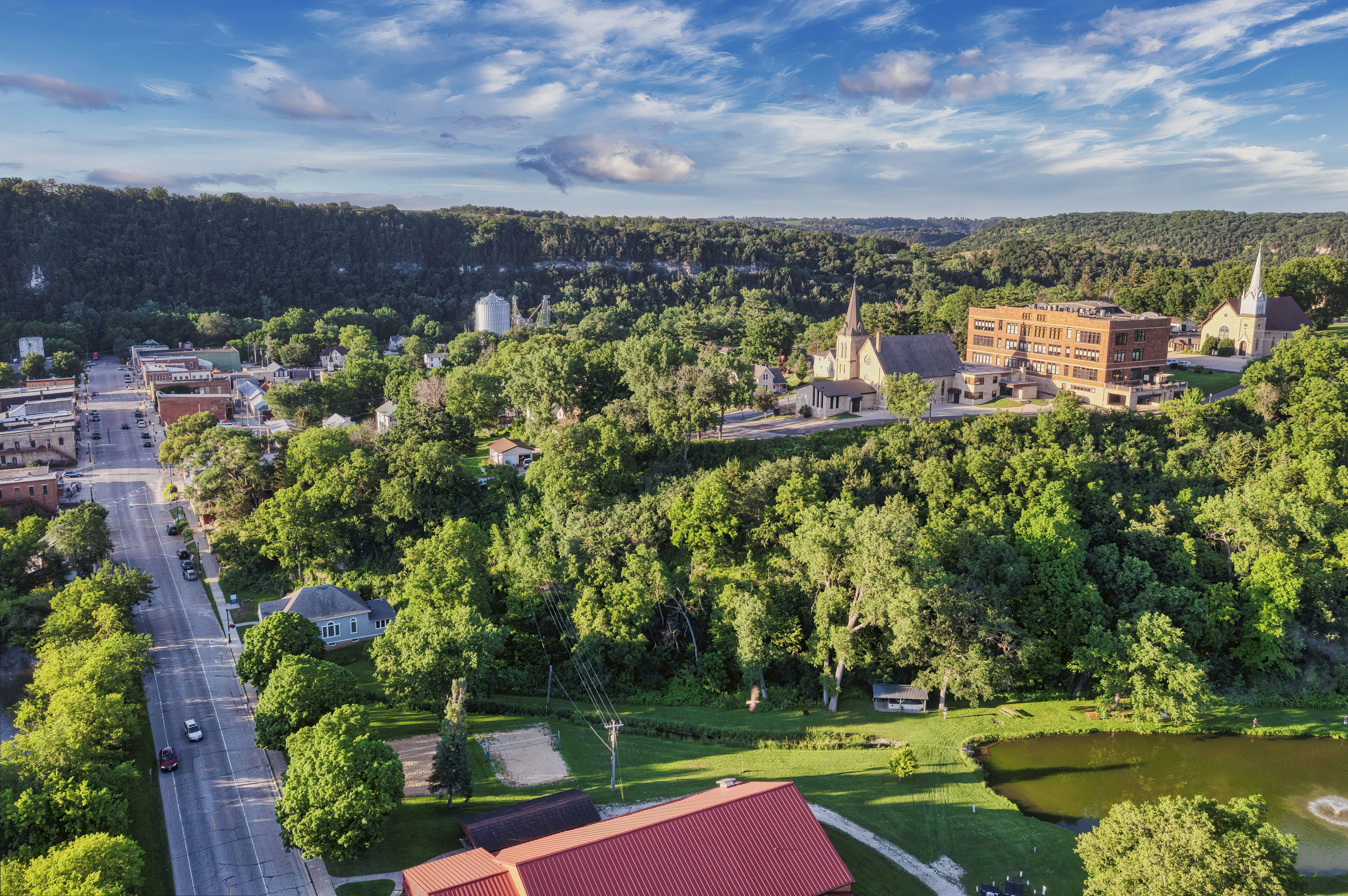
If you were hurt in Hackensack, James Vasquez fights to get you every dollar you are owed. He has represented Bergen County's injured since 2004, and he knows this county seat's I-80, Route 4 and Route 17 corridors, its historic Hackensack River bridges, and the streets around Main Street and Hackensack University Medical Center.
.avif)
The number that matters is the app period, not the injury
.avif)
.svg)
In an ordinary car crash you learn the other driver's policy limits in a few weeks and the claim proceeds from there. In a rideshare crash the limits are not fixed. They depend on a status that changed second by second while the driver was working.
New Jersey sets tiered coverage for rideshare companies. When a driver has the app open but has not accepted anything, the required coverage is modest. From the moment a ride is accepted, and continuing until the passenger is dropped off, the required coverage jumps to $1.5 million. The same crash, the same driver, the same injury, and a thirty fold swing in what is available to pay for it. Which means the central factual question in your case is not how badly you were hurt. It is what the app was doing. That record exists only in Uber's or Lyft's systems, it is not something an adjuster volunteers, and it is not something you can obtain by asking politely. It is preserved by written demand early and produced through discovery later. James Vasquez has handled Bergen County motor vehicle claims since 2004. On a rideshare file the first letter that goes out is the one that freezes the trip data, because everything downstream depends on it.
Rideshare crash claims we handle in Hackensack
Your position at the moment of the crash changes the claim more than it would in any ordinary collision.

Where Hackensack rideshare crashes happen, and why they cluster
Rideshare crashes concentrate at pickup and dropoff rather than in transit, which puts them in places ordinary crash statistics do not emphasize.
Around the hospital campus
Patients being discharged and visitors leaving at all hours generate constant pickup activity, frequently at entrances that are not designed for it, with drivers double parked and passengers stepping between vehicles.
The coverage question: whether the passenger had entered the vehicle yet. Injuries occurring during the approach and loading are treated differently from injuries in transit.

NJ Transit station approaches
Commuters completing the trip home from a station create predictable morning and evening surges, with several drivers converging on the same short stretch of curb.
The coverage question: whether the driver was on a prearranged ride or trolling for the next request. The distinction is the whole difference between the two coverage tiers.

The university campus area
Student ride demand concentrates around the campus, and app pin locations often place a pickup somewhere no vehicle should reasonably stop. Drivers idle in travel lanes waiting for a passenger who is walking toward them.
The coverage question: a driver waiting for an accepted rider is usually already in the higher tier. Establishing that the ride was accepted, not merely available, is worth more than any other fact in the file.
The downtown bar and restaurant blocks
Weekend nights concentrate pickups along Main Street, with impaired pedestrians, double parked vehicles and doors opening into moving traffic. This is where dooring injuries happen.
The coverage question: the identity of the platform. Passengers regularly cannot say afterward whether the car was an Uber or a Lyft, and the trip receipt in their email settles it.
Airport and highway runs
Rides out to the airports put a rideshare vehicle on Interstate 80, Route 17 and Route 4 at highway speed, where the injuries are far more serious than any curbside incident.
The coverage question: rarely disputed, since a passenger on board is plainly within the higher tier. The fight here is injury valuation and the passenger's own tort option.
In each of these the useful evidence is not at the scene. It is the trip record, the app status log and the driver's assignment history, all of which sit with the company rather than with anyone you can photograph.
Which coverage applies, and how it gets proven
New Jersey ties the required coverage to what the driver was doing. Most people guess the boundary wrong, and the guess is expensive.
Personal policy only
A driver not logged in is an ordinary motorist. Their own auto policy responds, and rideshare coverage does not apply at all.
The lower tier
Logged in and available but not assigned. New Jersey requires roughly $50,000 per person and $100,000 per incident, plus property damage coverage.
The higher tier starts here
This is the boundary people miss. Once a request is accepted, the prearranged ride has begun even though nobody is in the car yet. Coverage rises to $1.5 million.
$1.5 million, plus UM and UIM
Through the ride and until dropoff, the higher liability tier applies and uninsured motorist coverage at a comparable level is also required.
One tap, thirty times the money
A crash seconds before a driver accepted a request and a crash seconds after can involve the same conduct and a completely different recovery ceiling.
Only the company has it
App status at a precise moment lives in the platform's records. It is obtained by preservation demand and discovery, not by asking an adjuster what period applied.
If you were the passenger, you already hold part of the answer. The trip receipt in your email confirms the ride existed, the platform, the driver and the timestamps. Forward it before anything else. For how these claims work statewide, see the rideshare accident practice area page.
Who pays a rideshare passenger's medical bills
Not Uber. Not Lyft. Not at first. This surprises nearly every passenger we speak with, and it explains why two people in the same back seat can end up with different rights.

Your own auto policy pays first
New Jersey routes medical benefits through the injured person's own Personal Injury Protection coverage, even when you were a passenger in a stranger's car and had nothing to do with the crash. Your policy pays for your treatment, and your deductible and limits apply. The fact that you were riding in a commercial vehicle does not change that priority.
If you have no policy, the search moves outward
A resident relative's policy may respond, and failing that the policy covering the vehicle you were in. The order is set by statute rather than by convenience, and getting it wrong stalls treatment authorization at exactly the moment you need care approved.
The rideshare liability coverage pays for the harm
The $1.5 million tier is not there to pay your medical bills as they arrive. It responds to the claim for the injury itself, meaning pain and suffering, lost income and treatment beyond what your PIP reaches. It is reached by making a claim, not by presenting bills.
Three rules that make rideshare claims different
The ordinary New Jersey deadlines and fault rules still apply. These three are specific to a crash involving a working rideshare driver.
Coverage is tiered to the app period
New Jersey's rideshare legislation requires roughly $50,000 per person and $100,000 per incident while a driver is logged in and available, rising to $1.5 million once a prearranged ride begins, along with uninsured and underinsured coverage at the higher level. Confirm the current figures against the statute before relying on them.
The driver's personal policy may exclude the whole activity
Standard personal auto policies exclude carrying passengers for compensation. Where the app period is disputed and the platform denies the higher tier, an injured person can fall into a gap in which the company points at the personal policy and the personal insurer points at the exclusion.
The coverage is the mechanism, not employment
Rideshare platforms treat drivers as independent contractors and resist claims that they are responsible for a driver's conduct as an employer would be. That is why the statutory coverage matters so much. It is the reliable route to the company's money, and arguing about employment classification usually is not.
The two year filing deadline, the 90 day notice required against a public entity, and New Jersey's modified comparative negligence rule are covered on the rideshare practice area page and the Hackensack personal injury page.
The evidence in a rideshare crash, and who holds it
Unlike an ordinary collision, most of what decides this case was never at the scene.
Your trip receipt
Already in your email. It establishes the platform, the driver, the vehicle, the route and the timestamps, and it is the single most useful document you can send on day one.
Screenshots before anything changes
Photograph the trip detail in the app, the driver's name and the vehicle, and the ride status. App histories are viewable, and having your own copy removes any argument later.
The app status log
Held by the platform, and the record that determines which coverage tier applies. It is preserved by written demand and obtained in discovery, which is why the demand should not wait.
The crash report designation
Officers do not always record that a vehicle was operating as a rideshare. If the report is silent on it, that omission gets used to muddy the app period question later.
Dashcam footage
Many rideshare drivers run cameras to protect themselves against passenger complaints. That footage is often the clearest record of the collision, and it is overwritten quickly.

.avif)

James Vasquez
Before James Vasquez ever represented an injured person, he sat on the other side of the table. As a former prosecutor and insurance-defense attorney, he spent years learning exactly how these cases are won and lost.
Now he uses it for you. When adjusters and opposing counsel face James, they're facing someone who has read their playbook, argued in their courtrooms, and knows precisely where their arguments break.
Based in Clifton and serving Passaic, Morris, and Essex Counties, his firm gives every client James's personal attention, backed by a team that knows your file cold.
Answers, before you even call.
Anything else you’d like to know? Get in touch with our sales team and we’d be happy to discuss your questions.


Hear Our Clients’ Stories

James Vasquez was the first name everyone recommended. People told me he would make sure I was taken care of, and they were right. The team was friendly, professional, down to earth, and experienced. They handled everything, and all I had to do was listen, follow their guidance, and focus on my recovery. One of the best parts of the experience was working with the paralegal, John Velazquez. Whenever I had questions, he would stop what he was doing, sit down with me, and explain everything in detail. I never felt rushed, and I always felt that my concerns were fully answered. He helped me understand every step of the legal process, and I truly felt like I had a friend inside the firm."
Kraig Moultrie


Hear Our Clients’ Stories
After the accident at work, my health and my ability to work changed dramatically. I faced many challenges because I could no longer do the same things I used to do. Before receiving help, I was afraid because my health wasn't improving, and I didn't know what to do. The insurance company made things difficult, asking me questions I didn't know how to answer, and I felt lost and overwhelmed. Then I found this team, and from the very first conversation they gave me confidence and explained everything clearly. They guided me through the entire treatment process, helped me access the medical care I needed, and supported me every step of the way."
Martina Contreras

What it's actually like to work with us
We'll skip the sales pitch. This is what it's actually like to have James in your corner; straight from the people who've been there.

"Staff is very Friendly. They keep you informed on a regular basis. The Attorneys are the best. Would recommend this Law firm to anyone."


"James Vasquez is one of the best Lawyers. He knows what he's doing at all times, very Professional along with his staffs that entire office has very good attitude. He keeps you updated and gives good advise he did very good with my case and I highly recommend him. He deserves more than five stars!"
"James Vasquez and his team took care of my case like if it was their own. I was able to take care of my car accident case, and even during this pandemic. I never felt pressured, and they were definitely patient with my case."
"Throughout this process, James and I kept in touch via email, and he offered his guidance every step of the way."
"I would highly recommend anyone to hire him!"
"Mr. Vasquez was able to recover a good settlement for me and he recommended me to great medical professionals to help with my back and neck injuries."
James Vasquez was the first name everyone recommended. People told me he would make sure I was taken care of, and they were right. The team was friendly, professional, down to earth, and experienced. They handled everything, and all I had to do was listen, follow their guidance, and focus on my recovery. One of the best parts of the experience was working with the paralegal, John Velazquez. Whenever I had questions, he would stop what he was doing, sit down with me, and explain everything in detail. I never felt rushed, and I always felt that my concerns were fully answered. He helped me understand every step of the legal process, and I truly felt like I had a friend inside the firm."
After the accident at work, my health and my ability to work changed dramatically. I faced many challenges because I could no longer do the same things I used to do. Before receiving help, I was afraid because my health wasn't improving, and I didn't know what to do. The insurance company made things difficult, asking me questions I didn't know how to answer, and I felt lost and overwhelmed. Then I found this team, and from the very first conversation they gave me confidence and explained everything clearly. They guided me through the entire treatment process, helped me access the medical care I needed, and supported me every step of the way."
"Staff is very Friendly. They keep you informed on a regular basis. The Attorneys are the best. Would recommend this Law firm to anyone."
"James Vasquez is one of the best Lawyers. He knows what he's doing at all times, very Professional along with his staffs that entire office has very good attitude. He keeps you updated and gives good advise he did very good with my case and I highly recommend him. He deserves more than five stars!"
"James Vasquez and his team took care of my case like if it was their own. I was able to take care of my car accident case, and even during this pandemic. I never felt pressured, and they were definitely patient with my case."
"Throughout this process, James and I kept in touch via email, and he offered his guidance every step of the way."
"I would highly recommend anyone to hire him!"
"Mr. Vasquez was able to recover a good settlement for me and he recommended me to great medical professionals to help with my back and neck injuries."
James Vasquez was the first name everyone recommended. People told me he would make sure I was taken care of, and they were right. The team was friendly, professional, down to earth, and experienced. They handled everything, and all I had to do was listen, follow their guidance, and focus on my recovery. One of the best parts of the experience was working with the paralegal, John Velazquez. Whenever I had questions, he would stop what he was doing, sit down with me, and explain everything in detail. I never felt rushed, and I always felt that my concerns were fully answered. He helped me understand every step of the legal process, and I truly felt like I had a friend inside the firm."
After the accident at work, my health and my ability to work changed dramatically. I faced many challenges because I could no longer do the same things I used to do. Before receiving help, I was afraid because my health wasn't improving, and I didn't know what to do. The insurance company made things difficult, asking me questions I didn't know how to answer, and I felt lost and overwhelmed. Then I found this team, and from the very first conversation they gave me confidence and explained everything clearly. They guided me through the entire treatment process, helped me access the medical care I needed, and supported me every step of the way."
Most of these you can reach yourself, today, from your phone.
Both major platforms let a rider view past trips and receipts in the app. Export or screenshot the trip in question rather than relying on the account remaining accessible.
Uber and Lyft both operate crash reporting inside the app. Reporting creates a record with a timestamp, which is useful even though it does not preserve the app status data on its own.
Holds the NJTR-1 crash report. Worth reviewing specifically to see whether the officer noted that a vehicle was operating for a rideshare platform.
Determines which PIP coverage pays your treatment and which tort option governs your claim for pain and suffering. Find it early, because it affects the claim more than most passengers realise.
Hurt in New Jersey? Let's Talk.
James Vasquez gives injured people across New Jersey a free, no obligation case review. Tell us what happened and we'll walk you through your options and what your claim may be worth.
.png)
Reach us whatever way works for you.
Need to talk to someone right now?

Areas we serve



.jpg)