East Orange Pedestrian Accident Lawyer Essex County, New Jersey
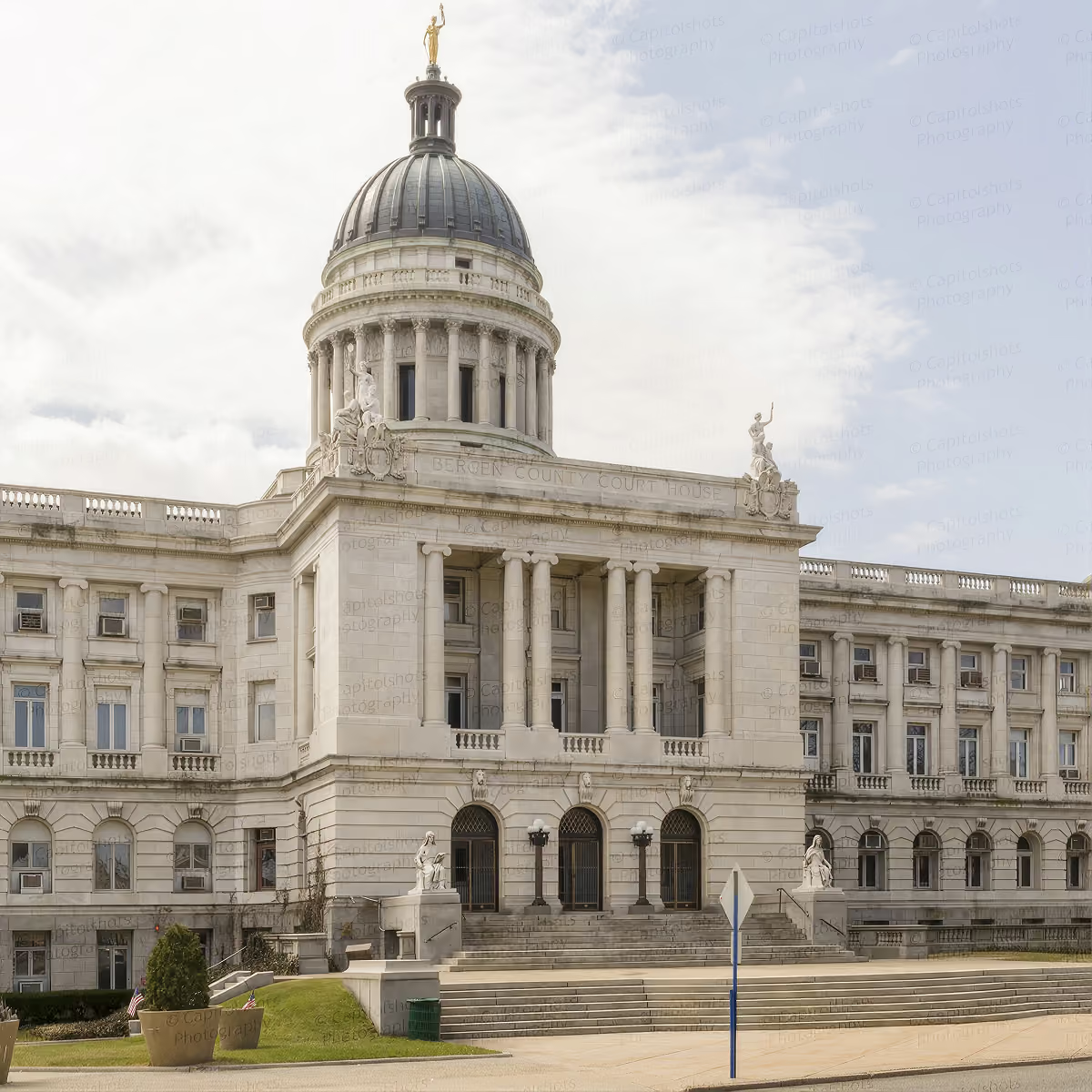
If you were hurt in Hackensack, James Vasquez fights to get you every dollar you are owed. He has represented Bergen County's injured since 2004, and he knows this county seat's I-80, Route 4 and Route 17 corridors, its historic Hackensack River bridges, and the streets around Main Street and Hackensack University Medical Center.
.avif)
The crossing was timed for someone else
.avif)
.svg)
When an older person is struck crossing a road, the account that reaches the file is usually that they stepped out, or crossed against the signal, or should not have been there. The engineering behind the crossing tells a more useful story.
Federal guidance sets pedestrian clearance time using a walking speed of three and a half feet per second, measured from the kerb to the far side or a median. That figure was itself reduced from four feet per second because the earlier assumption was too demanding. The guidance also says that where pedestrians who walk more slowly, or who use wheelchairs, routinely use a crossing, a slower speed should be used, and more recent versions identify two point eight feet per second as the figure to consider where older or disabled pedestrians regularly cross. Whether any of that was done at the intersection where somebody was hit is a question with a documented answer. Signal timing is recorded, crossing distances are measurable, and whether the location routinely serves older pedestrians is usually obvious from what sits around it. There is a second point that is widely misunderstood by drivers and by injured people themselves. A flashing upraised hand does not mean a pedestrian already in the crosswalk is there unlawfully. It means nobody new should start, and someone who lawfully began may finish. James Vasquez has handled New Jersey injury claims since 2004.
Pedestrian claims we handle in East Orange
Older pedestrians are struck in identifiable circumstances, and each has evidence attached to it.
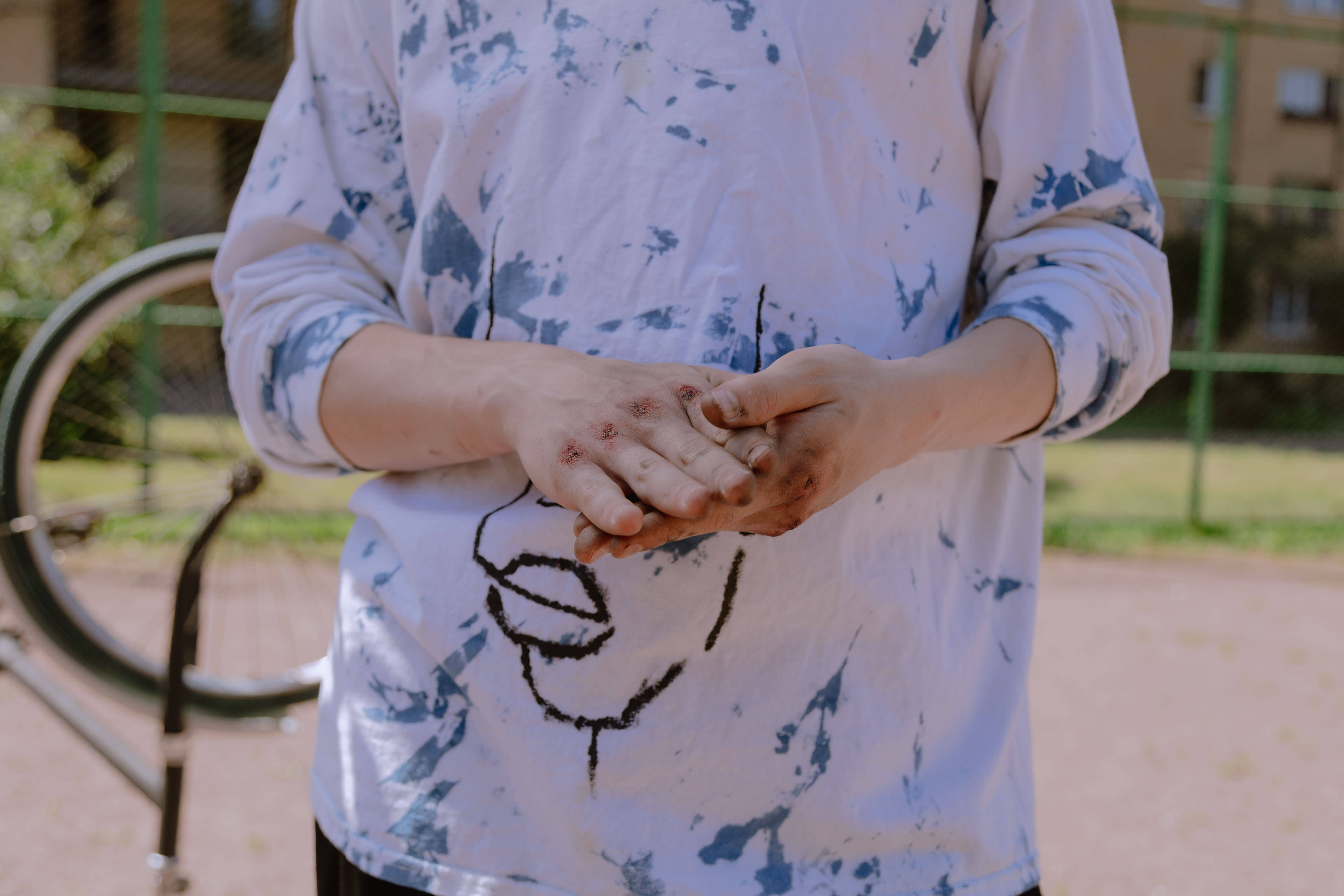
Where East Orange pedestrians get struck
The locations that concentrate older pedestrians are the ones where crossing time matters most.
Bus stops on the arterials
A stopped bus blocks sight lines entirely, and passengers stepping off frequently cross immediately rather than walking to a corner.
What the evidence shows: where the person was struck relative to the bus, and whether a passing driver overtook a vehicle that had already stopped.

Supermarket and pharmacy approaches
People crossing with bags and mobility aids, at hours when traffic is heavy and drivers are hurrying between errands.
What the evidence shows: camera coverage from the premises, which records continuously and overwrites within days unless preserved in writing.
Residential streets with kerb defects
Missing or damaged kerb ramps and uneven surfaces that slow a crossing further or cause a fall into the roadway.
What the evidence shows: the physical condition, photographed before repair, and any complaint history held by the responsible authority.

Central Avenue crossings
A major corridor with substantial crossing distances and heavy turning traffic, used constantly by people on foot to reach shops and services.
What the evidence shows: the crossing distance and the signal timing at that intersection, which together establish whether the interval matched the people using it.
Approaches to senior housing and care facilities
Locations where older and disabled pedestrians routinely cross, which is exactly the circumstance in which guidance calls for a slower assumed walking speed.
What the evidence shows: whether the timing at that crossing reflected who actually uses it, which is a documented engineering decision rather than an opinion.
The station and transit approaches
Fast moving crowds and vehicles in the same short blocks, with older pedestrians moving at a different pace to everyone around them.
What the evidence shows: independent witnesses, plentiful at these hours and unfindable afterwards unless details are taken at the scene.
In each of these the engineering evidence is documented and durable, while the camera footage and the witnesses are neither. They need collecting on different timescales.
Six arguments and what answers each
These appear in nearly every claim involving an older person on foot, and each is answerable with something concrete.
They crossed against the signal
A flashing hand means nobody new should start, not that someone already crossing is unlawfully there. A person who lawfully began may complete the crossing.
They walk too slowly to cross safely
Guidance requires slower assumed speeds where older or disabled pedestrians routinely use a crossing. If the timing ignored them, that is a design decision rather than the pedestrian's failing.
They were frail already
New Jersey takes an injured person as it finds them. A defendant does not pay less because the person they hit was eighty rather than thirty.
The fall caused the injury, not the car
Where a vehicle caused the fall, the consequences of the fall are consequences of the collision. This distinction is raised more often than it deserves to be.
Their records show prior problems
Almost every older person's records do. The comparison that matters is what they could do before and what they can do now.
Reduced life expectancy limits damages
Future losses are calculated over a remaining lifetime, which the defence will argue is short. It is a contested medical question rather than an arithmetic given.
If an older relative was struck at a signalised crossing, the timing at that intersection is worth establishing early. It is recorded, it is measurable, and it frequently reframes the whole account. For how pedestrian claims work statewide, see the pedestrian accident practice area page.
The engineering behind the signal
This is documented national guidance rather than anybody's theory, and it is rarely raised in these claims.
The assumed walking speed
Federal guidance sets pedestrian clearance time so that someone leaving the kerb at the end of the walk indication can travel at three and a half feet per second to the far side or to a median. That figure replaced an earlier assumption of four feet per second, which was found too demanding. It remains a general assumption rather than a measurement of the people who actually use a particular crossing.
Slower speeds where older pedestrians cross
The guidance expressly states that where pedestrians who walk more slowly than three and a half feet per second, or who use wheelchairs, routinely use a crosswalk, a slower speed should be considered in setting the clearance time. More recent versions identify two point eight feet per second as the figure to consider where older or disabled pedestrians routinely cross. Whether that was done at a given location is a documented decision.
What the flashing hand actually means
The steady walking figure means a pedestrian may begin. The flashing upraised hand means nobody new should start, while someone already lawfully in the crosswalk may complete their crossing. The steady hand means do not enter. Drivers, insurers and injured people themselves routinely treat a flashing hand as proof that a pedestrian was somewhere they should not have been, and it is not.
Three rules that matter for older pedestrians
Two protect the pedestrian. One governs how a claim gets valued.
Drivers must stop, and remain stopped
New Jersey requires a driver to stop and stay stopped for a pedestrian crossing within a marked crosswalk, which is stronger than a duty to yield. A driver who slowed, judged there was room and passed behind an older person crossing slowly has not complied.
Frailty does not reduce what is owed
New Jersey takes an injured person as it finds them. Age, osteoporosis, a previous hip replacement or reduced balance do not lessen a defendant's responsibility. Where a collision caused harm that a younger person might have avoided, that harm is still the defendant's to answer for.
A contested question, not a given
Future losses are projected over a remaining lifetime, and the defence will argue that period is short. It is a medical question addressed with evidence about the individual rather than an actuarial assumption applied automatically, and it deserves the same attention as liability.
The two year filing deadline, how medical benefits reach an injured pedestrian, and the far shorter notice required against a public entity are covered on the pedestrian practice area page and the East Orange personal injury page.
What to establish, and how quickly
Some of this is durable. Some of it disappears within days.
Fix the exact crossing
Which intersection, which leg, and which direction. Signal timing is specific to each crossing and a general location is not enough to obtain it.
Note where they were when struck
How far across, and in which lane. Combined with the crossing distance this establishes whether the interval was sufficient.
Request camera footage in writing
Businesses and transit systems along these corridors record continuously and overwrite within days. This is the shortest clock in the case.
Photograph the kerb and the approach
Ramps, surface condition and any obstruction, all of which affect how long a crossing takes and whether it was navigable at all.
Record function before the collision
What they could do independently, and what they now cannot. In older claimants this comparison carries the damages case entirely.

.avif)

James Vasquez
Before James Vasquez ever represented an injured person, he sat on the other side of the table. As a former prosecutor and insurance-defense attorney, he spent years learning exactly how these cases are won and lost.
Now he uses it for you. When adjusters and opposing counsel face James, they're facing someone who has read their playbook, argued in their courtrooms, and knows precisely where their arguments break.
Based in Clifton and serving Passaic, Morris, and Essex Counties, his firm gives every client James's personal attention, backed by a team that knows your file cold.
Answers, before you even call.
Anything else you’d like to know? Get in touch with our sales team and we’d be happy to discuss your questions.


Hear Our Clients’ Stories

James Vasquez was the first name everyone recommended. People told me he would make sure I was taken care of, and they were right. The team was friendly, professional, down to earth, and experienced. They handled everything, and all I had to do was listen, follow their guidance, and focus on my recovery. One of the best parts of the experience was working with the paralegal, John Velazquez. Whenever I had questions, he would stop what he was doing, sit down with me, and explain everything in detail. I never felt rushed, and I always felt that my concerns were fully answered. He helped me understand every step of the legal process, and I truly felt like I had a friend inside the firm."
Kraig Moultrie


Hear Our Clients’ Stories
After the accident at work, my health and my ability to work changed dramatically. I faced many challenges because I could no longer do the same things I used to do. Before receiving help, I was afraid because my health wasn't improving, and I didn't know what to do. The insurance company made things difficult, asking me questions I didn't know how to answer, and I felt lost and overwhelmed. Then I found this team, and from the very first conversation they gave me confidence and explained everything clearly. They guided me through the entire treatment process, helped me access the medical care I needed, and supported me every step of the way."
Martina Contreras

What it's actually like to work with us
We'll skip the sales pitch. This is what it's actually like to have James in your corner; straight from the people who've been there.

"Staff is very Friendly. They keep you informed on a regular basis. The Attorneys are the best. Would recommend this Law firm to anyone."


"James Vasquez is one of the best Lawyers. He knows what he's doing at all times, very Professional along with his staffs that entire office has very good attitude. He keeps you updated and gives good advise he did very good with my case and I highly recommend him. He deserves more than five stars!"
"James Vasquez and his team took care of my case like if it was their own. I was able to take care of my car accident case, and even during this pandemic. I never felt pressured, and they were definitely patient with my case."
"Throughout this process, James and I kept in touch via email, and he offered his guidance every step of the way."
"I would highly recommend anyone to hire him!"
"Mr. Vasquez was able to recover a good settlement for me and he recommended me to great medical professionals to help with my back and neck injuries."
James Vasquez was the first name everyone recommended. People told me he would make sure I was taken care of, and they were right. The team was friendly, professional, down to earth, and experienced. They handled everything, and all I had to do was listen, follow their guidance, and focus on my recovery. One of the best parts of the experience was working with the paralegal, John Velazquez. Whenever I had questions, he would stop what he was doing, sit down with me, and explain everything in detail. I never felt rushed, and I always felt that my concerns were fully answered. He helped me understand every step of the legal process, and I truly felt like I had a friend inside the firm."
After the accident at work, my health and my ability to work changed dramatically. I faced many challenges because I could no longer do the same things I used to do. Before receiving help, I was afraid because my health wasn't improving, and I didn't know what to do. The insurance company made things difficult, asking me questions I didn't know how to answer, and I felt lost and overwhelmed. Then I found this team, and from the very first conversation they gave me confidence and explained everything clearly. They guided me through the entire treatment process, helped me access the medical care I needed, and supported me every step of the way."
"Staff is very Friendly. They keep you informed on a regular basis. The Attorneys are the best. Would recommend this Law firm to anyone."
"James Vasquez is one of the best Lawyers. He knows what he's doing at all times, very Professional along with his staffs that entire office has very good attitude. He keeps you updated and gives good advise he did very good with my case and I highly recommend him. He deserves more than five stars!"
"James Vasquez and his team took care of my case like if it was their own. I was able to take care of my car accident case, and even during this pandemic. I never felt pressured, and they were definitely patient with my case."
"Throughout this process, James and I kept in touch via email, and he offered his guidance every step of the way."
"I would highly recommend anyone to hire him!"
"Mr. Vasquez was able to recover a good settlement for me and he recommended me to great medical professionals to help with my back and neck injuries."
James Vasquez was the first name everyone recommended. People told me he would make sure I was taken care of, and they were right. The team was friendly, professional, down to earth, and experienced. They handled everything, and all I had to do was listen, follow their guidance, and focus on my recovery. One of the best parts of the experience was working with the paralegal, John Velazquez. Whenever I had questions, he would stop what he was doing, sit down with me, and explain everything in detail. I never felt rushed, and I always felt that my concerns were fully answered. He helped me understand every step of the legal process, and I truly felt like I had a friend inside the firm."
After the accident at work, my health and my ability to work changed dramatically. I faced many challenges because I could no longer do the same things I used to do. Before receiving help, I was afraid because my health wasn't improving, and I didn't know what to do. The insurance company made things difficult, asking me questions I didn't know how to answer, and I felt lost and overwhelmed. Then I found this team, and from the very first conversation they gave me confidence and explained everything clearly. They guided me through the entire treatment process, helped me access the medical care I needed, and supported me every step of the way."
The engineering records are durable. Everything else is not.
Holds signal timing plans, crossing measurements and any studies or complaints about that intersection. Which authority depends on who maintains the road.
Holds the crash report and diagram, including where the pedestrian was recorded as being when struck.
Camera systems record crossings continuously and overwrite within days unless a written preservation request arrives.
Records of function before the collision, which in an older claimant is the foundation of the damages case rather than a supporting detail.
Hurt in New Jersey? Let's Talk.
James Vasquez gives injured people across New Jersey a free, no obligation case review. Tell us what happened and we'll walk you through your options and what your claim may be worth.
.png)
Reach us whatever way works for you.
Need to talk to someone right now?

Areas we serve


.jpg)