How to File a Lawsuit for a Fatal Construction Site Accident
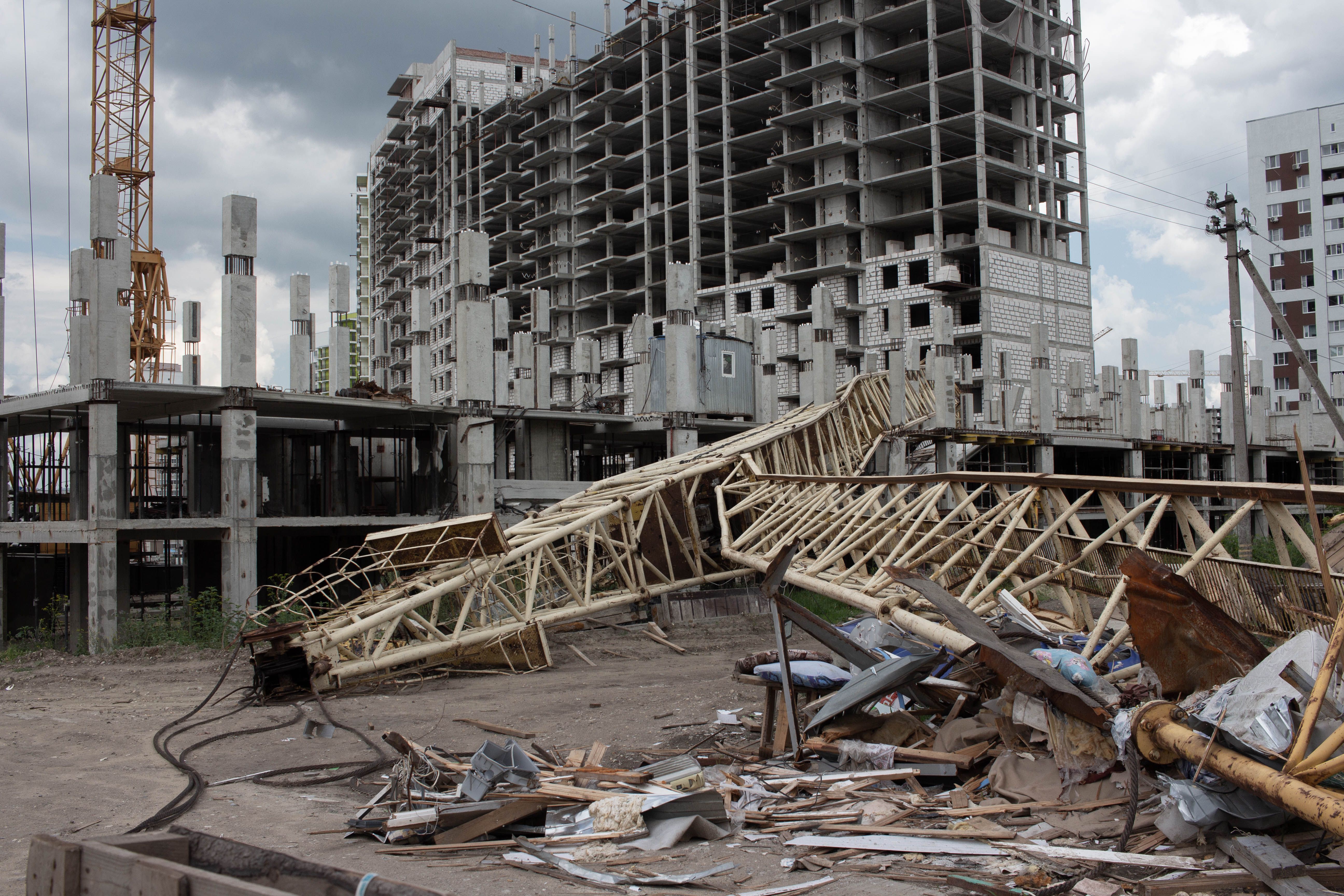
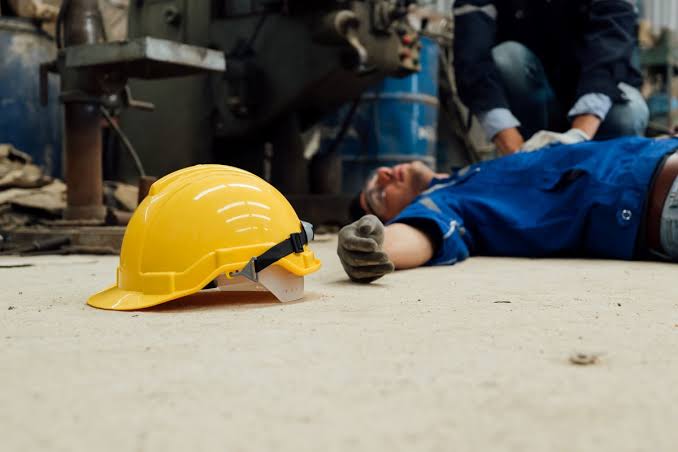
Construction sites are dangerous by nature, but the injuries and deaths that happen on them are very often preventable. A missing guardrail, an unsecured load, an untrained crew member operating heavy equipment, or a contractor skipping a required safety step can turn an ordinary workday into a fatal one.
Families in the aftermath are usually dealing with grief, funeral arrangements, and financial uncertainty all at once, and figuring out how to hold anyone accountable can feel like an impossible task on top of everything else. Here is exactly how filing a wrongful death lawsuit for a fatal construction accident works in New Jersey, step by step.
Filing a lawsuit for a fatal construction site accident in New Jersey generally means identifying every party besides the deceased worker's own employer who contributed to the accident, since workers' compensation is typically the exclusive remedy against the employer itself. The estate's personal representative then files a wrongful death lawsuit against those responsible third parties, such as a general contractor, subcontractor, property owner, or equipment manufacturer, supported by evidence like OSHA reports, site safety records, and witness statements. This must happen within New Jersey's two year statute of limitations from the date of death, or within a much shorter 90 day window if a government entity is involved.
Why Workers' Compensation Alone Is Not Enough
Most construction workers are covered by workers' compensation, which provides death benefits to eligible survivors regardless of fault but is typically the exclusive remedy against the deceased's own employer. This means you generally cannot sue the employer directly, even when the employer's own negligence contributed to the accident. What workers' compensation does not close off, though, is a claim against a third party who was not the deceased's employer, such as a general contractor overseeing a site where the deceased worked for a different subcontractor, a property owner, an equipment manufacturer, or another company entirely separate from the employment relationship. These third party claims can provide full compensation that workers' compensation benefits alone do not cover.
Who Has the Legal Authority to File
Under New Jersey's Wrongful Death Act, only the personal representative of the deceased person's estate, known as the executor if named in a will or the administrator if the court appoints one, has the legal authority to file the lawsuit. If no personal representative has already been appointed, this is typically the first procedural step, handled through the Surrogate's Court in the county where the deceased lived. While the personal representative brings the case, any compensation recovered is distributed to the family members entitled to it under the Act, not simply absorbed into the general estate.
The Steps to Filing a Construction Wrongful Death Lawsuit
- Appoint a personal representative, through the Surrogate's Court if one has not already been named
- Investigate the accident, gathering OSHA reports, site records, photographs, and witness accounts
- Identify every potentially liable party, beyond the deceased's own employer
- Determine which insurance policies apply, since construction sites often involve multiple contractors carrying separate liability coverage
- Calculate damages, covering lost financial support, funeral expenses, and the deceased's own pain and suffering under a separate Survival Act claim
- File the lawsuit within the statute of limitations, generally two years from the date of death
- Negotiate with the responsible parties' insurers, or proceed to litigation and trial if a fair settlement cannot be reached
Who Can Be Held Liable
Construction sites are rarely run by a single entity, and liability for a fatal accident frequently spreads across several parties depending on who controlled the specific condition or decision that caused the death.
Attorney insight
Identifying every liable party is not just about assigning blame correctly. It is about identifying every insurance policy that could actually pay a claim. A general contractor's policy alone may not come close to covering a fatal injury, while adding a negligent subcontractor or equipment manufacturer to the case can open up substantially more available coverage.
Evidence That Matters Most
- OSHA investigation findings and any citations issued after the accident
- Site safety plans, inspection logs, and toolbox talk records
- Subcontractor agreements defining who was responsible for which safety measures
- Equipment maintenance and inspection records
- Witness statements from coworkers present at the time
- Photographs and video of the site conditions, ideally from before conditions were altered
The Role of OSHA Violations
The Occupational Safety and Health Administration investigates many serious and fatal construction accidents, and its findings can become powerful evidence in a wrongful death lawsuit. An OSHA citation for a safety violation, such as inadequate fall protection or improper trench shoring, does not automatically win a civil case, since OSHA's investigation and a personal injury lawsuit operate under different legal standards, but a documented violation directly related to the fatal accident is often persuasive evidence of negligence.
What Compensation Is Available
A wrongful death claim under New Jersey law generally allows recovery for the financial support, services, and companionship the deceased would have provided to survivors, along with reasonable funeral and burial expenses. A separate claim under New Jersey's Survival Act allows the estate to recover for the pain, suffering, and medical expenses the deceased experienced between the accident and death, which is particularly significant in cases where the worker survived for some time after being injured before passing away.
Deadlines That Apply
In most cases, New Jersey's Wrongful Death Act gives the family two years from the date of death to file a lawsuit. If a government entity is involved, such as a public works project or a municipality that owned or controlled the site, a separate notice of claim must generally be filed within 90 days under New Jersey's Tort Claims Act, a far shorter window that can bar the claim entirely if missed.
Why this matters
Public construction projects, road work, and municipal building projects are common, and families do not always realize a government entity is involved until well after the 90 day window has started running. Identifying whether any government entity had a role in the site, whether as owner, general contractor, or permitting authority, should happen as early as possible.
How a Lawyer Handles These Cases
Construction wrongful death cases move quickly in the early stages, since evidence at an active job site can be altered, cleaned up, or destroyed as work continues or as investigations conclude. Part of my role is moving immediately to preserve site conditions and records, obtain OSHA findings, identify every contractor and subcontractor with a role on the site, and determine which of their insurance policies are actually available to provide meaningful compensation to the family.
The Bottom Line
Filing a lawsuit for a fatal construction site accident in New Jersey means looking past the deceased's own employer, who is generally shielded by workers' compensation exclusivity, and identifying every other contractor, property owner, or manufacturer whose negligence contributed to the death. The personal representative of the estate files the claim, but building it requires fast evidence gathering, a clear picture of every liable party, and careful attention to deadlines that can be far shorter than the standard two year window when a government entity is involved.
If your family lost a loved one in a construction accident anywhere in Passaic, Bergen, Essex, or Morris County, I would be glad to help you understand your options and who can be held responsible.


Answers, before you even call.
Have a question we didn't cover? Contact us anytime. Every consultation is free, confidential, and no-strings.

Hurt in New Jersey? Let's Talk.
James Vasquez gives injured people across New Jersey a free, no obligation case review. Tell us what happened and we'll walk you through your options and what your claim may be worth.
.png)
Reach us whatever way works for you.
Need to talk to someone right now?

Areas we serve


.jpg)